
Sign up to save your podcasts
Or

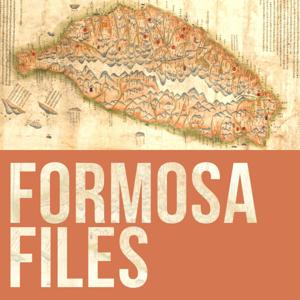

We’ll let Benjamin Sando, research fellow at the Global Taiwan Institute, and our guest for this week’s episode, describe the topic:
“From the early days of Han Taiwanese society, through the period of Kuomintang (KMT, 國民黨) martial law and on to the era of democratization, the influence of Taiwan’s gangs has evolved. The activity of some gangs (but not all) has spread beyond extracting profit from local territory – through extortion, prostitution, and gambling – to international transactions involving drug, arms, and human trafficking. This has sowed connections between certain Taiwanese gangs and foreign actors, such as Chinese triads and government officials engaging in united front work for the People’s Republic of China (PRC). As elections become more competitive in Taiwan, gangs have leveraged their control of prominent Taiwanese temples to influence politicians seeking support from religious communities. Such deep-rooted connections between gangs and local communities obstruct democratic development based on transparency and open debate, especially in Taiwan’s rural areas.”
NOTE: This episode has been significantly edited to attempt to adhere to the mostly non-political official stance of the Formosa Files podcast. To hear/watch the full one-hour, almost unedited version, visit Kaohsiung Times → “Long-Form” → “Formosa Files.”
 View all episodes
 By John Ross and Eryk Michael Smith
5
8080 ratings
We’ll let Benjamin Sando, research fellow at the Global Taiwan Institute, and our guest for this week’s episode, describe the topic:
“From the early days of Han Taiwanese society, through the period of Kuomintang (KMT, 國民黨) martial law and on to the era of democratization, the influence of Taiwan’s gangs has evolved. The activity of some gangs (but not all) has spread beyond extracting profit from local territory – through extortion, prostitution, and gambling – to international transactions involving drug, arms, and human trafficking. This has sowed connections between certain Taiwanese gangs and foreign actors, such as Chinese triads and government officials engaging in united front work for the People’s Republic of China (PRC). As elections become more competitive in Taiwan, gangs have leveraged their control of prominent Taiwanese temples to influence politicians seeking support from religious communities. Such deep-rooted connections between gangs and local communities obstruct democratic development based on transparency and open debate, especially in Taiwan’s rural areas.”
NOTE: This episode has been significantly edited to attempt to adhere to the mostly non-political official stance of the Formosa Files podcast. To hear/watch the full one-hour, almost unedited version, visit Kaohsiung Times → “Long-Form” → “Formosa Files.”

52 Listeners

607 Listeners
215 Listeners

186 Listeners

183 Listeners

34 Listeners

24 Listeners
74 Listeners

10 Listeners

304 Listeners
39 Listeners
48 Listeners

370 Listeners
0 Listeners