
Sign up to save your podcasts
Or

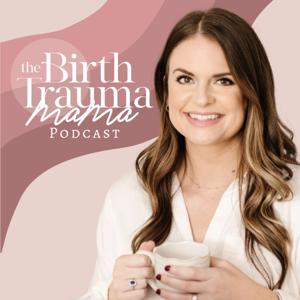

In this insightful episode, Kayleigh sits down with therapist and perinatal mental health expert Hilary Waller to explore the nuanced overlap between perinatal OCD, trauma, and EMDR. Hilary shares her journey into this work, her passion for supporting parents through medical trauma and loss, and how EMDR can help address the nervous system responses underneath intrusive thoughts and anxiety.
💛 Why intrusive thoughts in the perinatal period are far more common than most parents realize
🧠 The difference between generalized postpartum anxiety and the more “hyper-focused” presentation of perinatal OCD
⚠️ How birth trauma, NICU experiences, medical complications, and loss can create the perfect storm for OCD symptoms to emerge
🔄 The connection between trauma, uncertainty, and compulsive behaviors
🩺 Why health anxiety after perinatal trauma often has a strong OCD component
🌊 How EMDR helps target the nervous system response beneath intrusive thoughts and compulsions
📚 Why psychoeducation can be one of the most healing parts of therapy
👶 The importance of distinguishing between “normal new parent worries” and symptoms of trauma or OCD
✨ The power of reducing shame and helping parents understand: “These are symptoms, not who you are.”
🤍 Why finding a therapist trained in perinatal mental health can make such a profound difference in recovery
Whether you’re a parent navigating intrusive thoughts, a clinician supporting trauma survivors, or someone wanting to better understand the overlap between OCD and birth trauma, this episode offers compassionate, validating, and deeply practical insight.
Resources Mentioned:
🎧 Birth Trauma Mama Episodes:
• Episode 32 — OCD in the Perinatal Period
• Episode 119 — OCD and Intrusive Thoughts
• Episode 15 with Dr. Priya Alpern — EMDR Basics
📖 Dropping the Baby and Other Scary Thoughts
📖 Perinatal EMDR chapter featuring Hilary Waller and Dr. Amber Penn
💻 Learn more about Postpartum Support International: Postpartum Support International
Guest Bio:
Hilary is a psychotherapist specializing in reproductive and parental mental health and treatment of related disorders. After earning dual Bachelor’s degrees at Columbia University and The Jewish Theological Seminary, Hilary worked with adolescents in both formal and informal educational settings. This experience piqued her interest in parent-child relationships and led her to pursue a Master’s degree in Counseling Psychology with a specialty in marriage and family therapy.
For more birth trauma content and a community full of love and support, head to my Instagram at @thebirthtrauma_mama.
Learn more about the support and services I offer through The Birth Trauma Mama Therapy & Support Services.
Disclaimer - The views and opinions expressed by guests on The Birth Trauma Mama Podcast are their own and do not necessarily reflect the official stance, views, or positions of The Birth Trauma Mama Podcast. The content shared is for informational purposes only and should not be considered as professional or medical advice and/or endorsement.
 View all episodes
 By Kayleigh Summers

4.9
9090 ratings
In this insightful episode, Kayleigh sits down with therapist and perinatal mental health expert Hilary Waller to explore the nuanced overlap between perinatal OCD, trauma, and EMDR. Hilary shares her journey into this work, her passion for supporting parents through medical trauma and loss, and how EMDR can help address the nervous system responses underneath intrusive thoughts and anxiety.
💛 Why intrusive thoughts in the perinatal period are far more common than most parents realize
🧠 The difference between generalized postpartum anxiety and the more “hyper-focused” presentation of perinatal OCD
⚠️ How birth trauma, NICU experiences, medical complications, and loss can create the perfect storm for OCD symptoms to emerge
🔄 The connection between trauma, uncertainty, and compulsive behaviors
🩺 Why health anxiety after perinatal trauma often has a strong OCD component
🌊 How EMDR helps target the nervous system response beneath intrusive thoughts and compulsions
📚 Why psychoeducation can be one of the most healing parts of therapy
👶 The importance of distinguishing between “normal new parent worries” and symptoms of trauma or OCD
✨ The power of reducing shame and helping parents understand: “These are symptoms, not who you are.”
🤍 Why finding a therapist trained in perinatal mental health can make such a profound difference in recovery
Whether you’re a parent navigating intrusive thoughts, a clinician supporting trauma survivors, or someone wanting to better understand the overlap between OCD and birth trauma, this episode offers compassionate, validating, and deeply practical insight.
Resources Mentioned:
🎧 Birth Trauma Mama Episodes:
• Episode 32 — OCD in the Perinatal Period
• Episode 119 — OCD and Intrusive Thoughts
• Episode 15 with Dr. Priya Alpern — EMDR Basics
📖 Dropping the Baby and Other Scary Thoughts
📖 Perinatal EMDR chapter featuring Hilary Waller and Dr. Amber Penn
💻 Learn more about Postpartum Support International: Postpartum Support International
Guest Bio:
Hilary is a psychotherapist specializing in reproductive and parental mental health and treatment of related disorders. After earning dual Bachelor’s degrees at Columbia University and The Jewish Theological Seminary, Hilary worked with adolescents in both formal and informal educational settings. This experience piqued her interest in parent-child relationships and led her to pursue a Master’s degree in Counseling Psychology with a specialty in marriage and family therapy.
For more birth trauma content and a community full of love and support, head to my Instagram at @thebirthtrauma_mama.
Learn more about the support and services I offer through The Birth Trauma Mama Therapy & Support Services.
Disclaimer - The views and opinions expressed by guests on The Birth Trauma Mama Podcast are their own and do not necessarily reflect the official stance, views, or positions of The Birth Trauma Mama Podcast. The content shared is for informational purposes only and should not be considered as professional or medical advice and/or endorsement.

2,187 Listeners
1,221 Listeners

1,038 Listeners

8,174 Listeners

460 Listeners

26,103 Listeners

736 Listeners
1,298 Listeners

746 Listeners
554 Listeners
663 Listeners

17,788 Listeners

3,424 Listeners

10,274 Listeners

360 Listeners