
Sign up to save your podcasts
Or

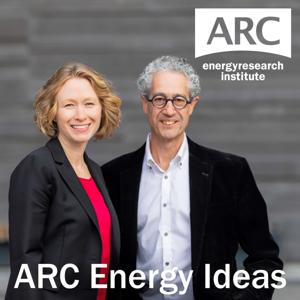

This week on the podcast, Jackie and Peter share their insights on Canada’s 2025 federal budget, released last week and expected to pass on November 17. They also briefly introduce the topic of COP30, which started the day they recorded, and Bill Gates’ recent memo on climate.
They discuss several aspects of the budget, including the size of the deficit and debt, government plans to reduce day-to-day operating expenses, and several tax measures—notably, new Productivity Super Deduction and the updated accelerated capital cost depreciation rules for LNG, which are supportive, but still less generous than the Productivity Super Reduction.
They also examine the introduction of new investment tax credits (ITCs) for clean energy. These incentives were largely anticipated, having been announced in the previous budget but never enacted.
A major focus is the proposed Canada Climate Competitiveness Strategy, which aims to strengthen industrial carbon pricing while preventing carbon leakage. Jackie and Peter explore related policy commitments, including maintaining methane-reduction regulations and the Clean Electricity Regulation, along with signals of possible flexibility around the removal of the oil and gas emissions cap. However, they note that such flexibility may depend on the deployment at scale of carbon capture and storage, which remains uncertain.
Content referenced in this podcast includes:
Please review our disclaimer at: https://www.arcenergyinstitute.com/disclaimer/
Check us out on social media:
X (Twitter): @arcenergyinst
LinkedIn: @ARC Energy Research Institute
Subscribe to ARC Energy Ideas Podcast
Apple Podcasts
Amazon Music
Spotify
 View all episodes
 By ARC ENERGY RESEARCH INSTITUTE

4.4
1919 ratings
This week on the podcast, Jackie and Peter share their insights on Canada’s 2025 federal budget, released last week and expected to pass on November 17. They also briefly introduce the topic of COP30, which started the day they recorded, and Bill Gates’ recent memo on climate.
They discuss several aspects of the budget, including the size of the deficit and debt, government plans to reduce day-to-day operating expenses, and several tax measures—notably, new Productivity Super Deduction and the updated accelerated capital cost depreciation rules for LNG, which are supportive, but still less generous than the Productivity Super Reduction.
They also examine the introduction of new investment tax credits (ITCs) for clean energy. These incentives were largely anticipated, having been announced in the previous budget but never enacted.
A major focus is the proposed Canada Climate Competitiveness Strategy, which aims to strengthen industrial carbon pricing while preventing carbon leakage. Jackie and Peter explore related policy commitments, including maintaining methane-reduction regulations and the Clean Electricity Regulation, along with signals of possible flexibility around the removal of the oil and gas emissions cap. However, they note that such flexibility may depend on the deployment at scale of carbon capture and storage, which remains uncertain.
Content referenced in this podcast includes:
Please review our disclaimer at: https://www.arcenergyinstitute.com/disclaimer/
Check us out on social media:
X (Twitter): @arcenergyinst
LinkedIn: @ARC Energy Research Institute
Subscribe to ARC Energy Ideas Podcast
Apple Podcasts
Amazon Music
Spotify

1,247 Listeners

401 Listeners

37 Listeners
67 Listeners

95 Listeners

419 Listeners

48 Listeners

29 Listeners

13 Listeners
16 Listeners

84 Listeners

112 Listeners

34 Listeners

15 Listeners

20 Listeners