Finland ranks as the happiest country, while our happiness index has dropped. To be in the top ten, we need to improve significantly. This shift highlights the concept of glycemic happiness in diabetes, where the psychosocial aspects are often overlooked. Most diabetes awareness programs focus on molecular treatments, driven by commercial interests, with no "pill" for happiness.
Diabetes management varies by type. Children with Type 1 diabetes often require multiple insulin injections daily—sometimes four, five, or even six times—depending on their needs. In Type 2 diabetes, beta cells in the pancreas partially deteriorate, but some still function. Treatment typically starts with oral medications, and insulin is introduced if necessary. In India, where carbohydrate-rich diets are common, managing postprandial blood sugar is challenging.
To address this, a combination of short-acting (Rapid acting) and long-acting insulin is preferred to maintain effective blood sugar control. There are few oral medications which also help to manage post-meal blood sugar levels. Beyond physical health, the emotional impact of diabetes can lead to distress or depression, highlighting the need for greater focus on diabetes-related happiness and well-being. This can be achieved through education, awareness counselling with psychologist, psychotherapist at different stages of the triggering factors of stress.
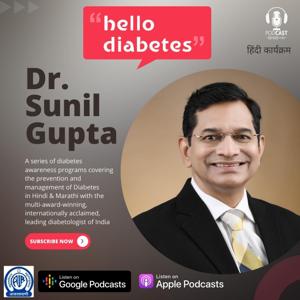
Expert: Dr. Sunil Gupta
Anchor: Ms. Pranjali Bawaskar
Recorded on: 21/03/2025
Recorded at: Akashwani Nagpur



 View all episodes
