
Sign up to save your podcasts
Or

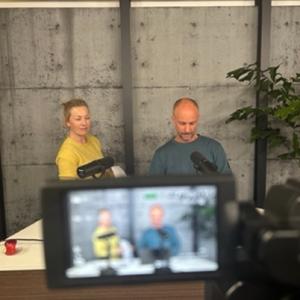

Embracing Change After Loss with Cecilie Willer
In this episode, we sit down with Cecilie Willer, a coach for startups and founders, to discuss the unique challenges resourceful entrepreneurs face in the aftermath of bankruptcy. The conversation dives into the drastic shift from a high-performance lifestyle to an unstructured reality, exploring how to navigate this transition with resilience and self-compassion.
Highlights:
From Overdrive to Stillness: Cecilie explains the challenging transition many entrepreneurs face when their fast-paced routines grind to a halt after a significant setback, leaving a void where purpose and structure once thrived.
Attached vs. Committed: Cecilie introduces the difference between being attached and committed to one’s business. While attachment blurs identity with business success, leading to burnout, commitment allows for a balanced approach, fostering healthier boundaries and personal resilience.
The Importance of Recovery: From personal experience, Cecilie emphasizes genuine rest to prevent burnout, highlighting that recovery is essential for long-term success.
Rethinking Startup Culture: The discussion critiques the startup culture's glorification of overwork and under prioritization of mental health, encouraging investors to support founders' well-being actively.
Navigating the Stages of Recovery: Cecilie outlines the four phases post-bankruptcy—Shock, Reaction, Adaptation, and Reorientation—stressing the importance of honoring each stage without rushing the process.
The Startup as an Experiment: Cecilie encourages viewing entrepreneurship as an experiment rather than a reflection of one’s personal worth, reminding founders that each experience contributes to growth.
Seeking Support: Emphasizing the value of support networks, Cecilie advocates for seeking help from therapists, coaches, and fellow entrepreneurs to navigate challenging times.
Learning from Loss: Entrepreneurs hold valuable insights even after setbacks. These experiences, Cecilie argues, should be viewed as assets, fostering resilience for future ventures.
Mental Health in Accelerators: Cecilie calls for more mental health integration within accelerator programs, proposing ongoing support over one-off workshops.
Mindfulness and Meditation: Mindfulness practices like meditation are highlighted as effective tools for managing stress, with Cecilie recommending Search Inside Yourself by Chade-Meng Tan as a valuable resource.
Links: changetoday.io, changetoday.io/foundertools, konkursklubben.dk
Key Takeaway: Bankruptcy is a tough experience, yet it’s an integral part of the entrepreneurial journey. By focusing on mental health, seeking support, and reframing failure as a learning opportunity, founders can emerge stronger, better prepared for future success.
Note: This episode was created with NotebookLM AI, an artificial intelligence tool for content creation. We retain full intellectual property rights to all original material used as input.
 View all episodes
 By Konkursklubben
Embracing Change After Loss with Cecilie Willer
In this episode, we sit down with Cecilie Willer, a coach for startups and founders, to discuss the unique challenges resourceful entrepreneurs face in the aftermath of bankruptcy. The conversation dives into the drastic shift from a high-performance lifestyle to an unstructured reality, exploring how to navigate this transition with resilience and self-compassion.
Highlights:
From Overdrive to Stillness: Cecilie explains the challenging transition many entrepreneurs face when their fast-paced routines grind to a halt after a significant setback, leaving a void where purpose and structure once thrived.
Attached vs. Committed: Cecilie introduces the difference between being attached and committed to one’s business. While attachment blurs identity with business success, leading to burnout, commitment allows for a balanced approach, fostering healthier boundaries and personal resilience.
The Importance of Recovery: From personal experience, Cecilie emphasizes genuine rest to prevent burnout, highlighting that recovery is essential for long-term success.
Rethinking Startup Culture: The discussion critiques the startup culture's glorification of overwork and under prioritization of mental health, encouraging investors to support founders' well-being actively.
Navigating the Stages of Recovery: Cecilie outlines the four phases post-bankruptcy—Shock, Reaction, Adaptation, and Reorientation—stressing the importance of honoring each stage without rushing the process.
The Startup as an Experiment: Cecilie encourages viewing entrepreneurship as an experiment rather than a reflection of one’s personal worth, reminding founders that each experience contributes to growth.
Seeking Support: Emphasizing the value of support networks, Cecilie advocates for seeking help from therapists, coaches, and fellow entrepreneurs to navigate challenging times.
Learning from Loss: Entrepreneurs hold valuable insights even after setbacks. These experiences, Cecilie argues, should be viewed as assets, fostering resilience for future ventures.
Mental Health in Accelerators: Cecilie calls for more mental health integration within accelerator programs, proposing ongoing support over one-off workshops.
Mindfulness and Meditation: Mindfulness practices like meditation are highlighted as effective tools for managing stress, with Cecilie recommending Search Inside Yourself by Chade-Meng Tan as a valuable resource.
Links: changetoday.io, changetoday.io/foundertools, konkursklubben.dk
Key Takeaway: Bankruptcy is a tough experience, yet it’s an integral part of the entrepreneurial journey. By focusing on mental health, seeking support, and reframing failure as a learning opportunity, founders can emerge stronger, better prepared for future success.
Note: This episode was created with NotebookLM AI, an artificial intelligence tool for content creation. We retain full intellectual property rights to all original material used as input.