Definition and Principles.
Core Concepts and Evolution of Terminology.
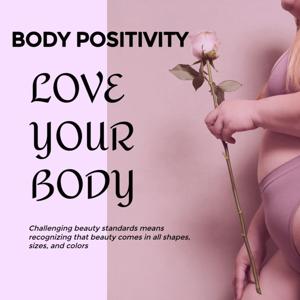
The core concepts of body positivity center on celebrating all body types regardless of size, shape, or ability, promoting self-acceptance and appreciation of one's body, prioritizing health and functionality over appearance, rejecting beauty standards as social constructs, and fostering inclusivity across diversity, with the aim of countering societal emphasis on thinness and appearance-based judgment. Proponents argue that this fosters mental well-being by decoupling self-worth from physical form, challenging what they describe as oppressive beauty standards rooted in media and consumer culture. The philosophy often intersects with critiques of diet industries and medical biases against larger bodies, advocating for recognition of body diversity as a natural human variation.
These ideas originated in the fat acceptance movement of the late 1960s, which framed overweight bodies as deserving civil rights protections against discrimination in areas such as employment, aviation seating, and healthcare access. Key early organizations, including the National Association to Advance Fat Acceptance (NAAFA), founded on August 14, 1969, by engineer Bill Fabrey in response to his wife's experiences of weight stigma, prioritized ending legal and social penalties for fatness over individual health interventions. Activists like those in the Fat Underground collective, active from 1973, issued manifestos rejecting medicalization of fatness and demanding societal accommodation, using terms like "fat liberation" to evoke parallels with other rights struggles.
The terminology shifted toward "body positivity" in the 1990s, formalized by the nonprofit The Body Positive, established in 1996 by Connie Sobczak—a survivor of eating disorders—and therapist Elizabeth Scott to deliver workshops emphasizing body trust over image. This rebranding expanded the scope beyond explicit fat advocacy to a wider embrace of non-normative bodies, including those affected by disabilities or aging, and gained momentum through early internet forums. By the early 2000s, the phrase decoupled somewhat from its fat-specific roots, incorporating influences from queer and Black feminist critiques of beauty hierarchies, though scholarly analyses note this evolution risked sanitizing radical anti-oppression origins for broader, less confrontational appeal.
Key Proponents and Philosophical Foundation.
The body positivity movement traces its philosophical foundations to the fat acceptance efforts of the 1960s, which paralleled civil rights and feminist activism by framing body size discrimination—termed "fatphobia" or "sizeism"—as a form of systemic oppression akin to racism or sexism, advocating for legal and social protections against weight-based bias in employment, healthcare, and public spaces. This perspective posits that societal beauty standards, particularly thin ideals promoted by media and medicine, perpetuate harm through shaming and exclusion, necessitating a shift toward unconditional self-acceptance to foster mental health and equity. Proponents grounded this in empirical observations of discrimination, such as workplace bias against heavier individuals, while critiquing diet culture as ineffective and profit-driven, though later analyses have highlighted how such foundations often downplay verifiable obesity-related health risks like diabetes and cardiovascular disease documented in longitudinal studies.
Key early proponents include Elizabeth Smith Miller, who in the 1850s advocated for dress reform by introducing bloomer costumes to challenge restrictive garments like corsets for health and mobility reasons, providing precursors to later body acceptance ideas. Steve Post and Lew Louderback co-authored early fat acceptance literature and helped organize protests against weight discrimination in the late 1960s. A pivotal figure was Bill Fabrey, an engineer who founded the National Association to Advance Fat Acceptance (NAAFA) in 1969 after witnessing discrimination against his wife, Joyce, including public shaming and restricted access to services; NAAFA's charter emphasized education, advocacy, and community support to normalize larger bodies and combat prejudice, influencing subsequent body positivity by establishing fat liberation as a rights-based framework rather than a health intervention. The movement's roots also involved contributions from marginalized groups, including Black and queer women activists who integrated intersectional critiques, arguing that fat stigma disproportionately affects women of color due to overlapping racial and gender biases, as articulated in early fat activist writings that linked body acceptance to broader anti-oppression struggles. In the digital era, Tess Holliday emerged as a prominent advocate, launching the #EffYourBeautyStandards hashtag in 2013 to challenge conventional beauty norms and promote self-love across body sizes.
Philosophically, body positivity evolved to incorporate elements of Health at Every Size (HAES), a paradigm formalized in the 2000s by advocates like Lindo Bacon, which asserts that weight-neutral approaches to well-being—focusing on intuitive eating, joyful movement, and life-enhancing behaviors—yield better outcomes than weight loss efforts, supported by proponent-cited studies showing short-term psychological benefits like reduced binge eating, though meta-analyses indicate limited long-term efficacy against metabolic diseases. This foundation rejects causal links between body size and health as overly deterministic, prioritizing subjective well-being and anti-stigmatization; critics, including public health researchers, contend it conflates acceptance with inaction on modifiable risk factors, as evidenced by CDC data linking BMI over 30 to elevated mortality rates independent of lifestyle confounders. Key modern proponents like Connie Sobczak and Elizabeth Scott, who established The Body Positive organization in 1996, furthered this by developing curricula emphasizing "positive embodiment" through practices like self-compassion exercises, aiming to reframe bodies as sources of capability rather than aesthetic judgment.
This episode includes AI-generated content.



 View all episodes
