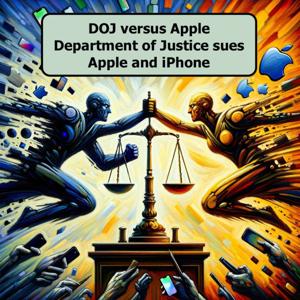
Apple Incorporated, the multinational technology giant known for its sophisticated designs and innovation, is confronting a potentially game-changing antitrust lawsuit that could potentially destabilize its reign in the smartphone ecosystem. At the heart of the legal dispute is the essential question: Does Apple have a monopoly on smartphones? This question is not raised by a casual observer but is being spearheaded by no less than the United States Justice Department.
The Justice Department, a federal executive department responsible for the enforcement of the law and administration of justice, has entered the fray into the complex terrain of technology and monopoly. It is bringing into sharp focus an inquiry on whether Apple has created a monopolistic empire within the smartphone market — an empire built on the sweeping success of the iPhone.
The debate surrounding the concept of a monopoly in the case of Apple involves a close examination of the technology company's market share, practices, and the influence it wields over the smartphone industry. Central to this debate is the smartphone market's landscape and the level of competitive fairness present within it.
The iPhone, first introduced in 2007, revolutionized the smartphone industry and has undoubtedly made Apple one of the most influential players in the technology domain. Apple's influence extends beyond just product creation; it has developed proprietary software, a devoted consumer base, and a lucrative app ecosystem that has been a significant source of income for the tech behemoth. The question, however, is whether these successes have resulted in a monopolized market where competition is stifled, or whether it is merely evidence of Apple's innovation advantage and adroit business acumen.
While the specifics of the lawsuit remain undisclosed, it is crucial to remember that the impact of this legal battle extends beyond Apple. The outcome could create legal precedents that would reshape how tech companies can conduct business, potentially altering the technology industry's landscape. It could also lead to more stringent checks on corporations' power, potentially driving better competition and fostering more innovation.
This current predicament is not new terrain for technology giants. Similar antitrust allegations have been levied against other behemoth tech companies including Amazon, Google and Facebook, bringing to the fore the prevailing tension between the balance of power, growth, and competition within the technology industry.
As we await the unfolding of the lawsuit proceedings, stakeholders across the spectrum — from tech industry leaders, legal scholars, app developers, to ordinary consumers — will be following the case closely. The outcome will shed light on the degree of competition in the smartphone market, and, importantly, whether Apple's smartphone crown will remain unscathed.
This content was created in partnership and with the help of Artificial Intelligence AI
This episode includes AI-generated content.



 View all episodes
