Rise in the Digital Age.
Social Media Ignition (2010s).
The body positivity movement, evolving from earlier fat acceptance efforts, gained significant momentum on social media platforms in the early 2010s, particularly Tumblr and nascent Instagram communities, where users shared personal narratives challenging thin-centric beauty standards. Tumblr served as an early hub for fat-positive content, fostering anonymous and community-driven discussions that emphasized self-acceptance among diverse body types, often rooted in queer and feminist subcultures. By 2010, searches for "body positivity" yielded minimal results, indicating its niche status prior to widespread digital amplification.
Instagram marked a pivotal shift around 2012, when the #bodypositive hashtag emerged, enabling visual storytelling that confronted idealized body expectations through user-generated images of non-normative physiques. This platform's algorithm favored shareable, aspirational content, propelling body positivity from underground blogs to broader visibility, with early posts often featuring plus-size individuals in everyday settings to normalize varied forms. Bloggers like Jes Baker contributed to this ignition in 2013 by leveraging personal platforms to critique diet culture and promote unretouched imagery, drawing in followers disillusioned with mainstream media portrayals.
By mid-decade, the movement's digital footprint expanded rapidly; for instance, #bodypositive amassed over 4 million Instagram uses by 2018, reflecting exponential growth from its 2012 origins, while parallel hashtags like #bodypositivity facilitated global user engagement. Influencers such as Tess Holliday, who signed with a major modeling agency in 2015, exemplified this surge by posting defiant plus-size fashion content that garnered millions of interactions, though early adoption was driven more by grassroots bloggers than commercial figures. This period's ignition democratized body discourse but also introduced tensions, as content increasingly prioritized visibility over the original activist critique of systemic fat stigma.
Mainstream Adoption and Commercialization (2010s–Early 2020s).
The body positivity movement transitioned into mainstream visibility in the early 2010s via social media, with Instagram hashtags like #bodypositivity surging after limited pre-2010 usage—Google searches yielded only seven pages of results for the term in early 2010, exploding thereafter. Influencers such as Jes Baker of The Militant Baker propelled adoption in 2013 through a viral open letter criticizing Abercrombie & Fitch's exclusion of larger sizes, leading the retailer to pledge expanded sizing up to women's XXL by spring 2014. This grassroots pressure marked an initial shift from online fat acceptance communities to broader cultural discourse.
Corporate adoption accelerated in 2014, exemplified by Aerie's launch of the #AerieREAL campaign, which featured unretouched images of real women in diverse body types to challenge industry norms of photo editing. That year also saw pop culture integration, with Meghan Trainor's "All About That Bass" reaching number one on the Billboard Hot 100, promoting curves over thin ideals and garnering hundreds of millions of views for related content like Whitney Thore's "Fat Dancer" video.
By mid-decade, fashion outlets capitalized on the trend's momentum, as the U.S. plus-size apparel segment grew 1.4% in the year ending April 2010—outpacing a 0.8% decline in overall women's clothing—fueling projections of a market exceeding $20 billion domestically by the 2020s. In 2016, Ashley Graham became the first size-16 model to cover Sports Illustrated's Swimsuit Issue, shot in Turks & Caicos, highlighting expanded representation in high-profile media traditionally favoring slimmer figures.
Unilever's Dove extended its 2004 Real Beauty initiative globally through the 2010s, incorporating body positivity messaging in self-esteem programs and ads featuring varied body shapes, which correlated with sustained brand growth amid debates over commercial motives. Influencers like Tess Holliday secured modeling contracts, such as with MiDONKI in 2015, bridging activism and endorsement deals. Into the early 2020s, this commercialization expanded plus-size lines across retailers, though it often prioritized marketable "confidence" narratives over the movement's origins in health-at-every-size advocacy, prompting critiques of diluted authenticity.
Recent Shifts and Declines (2023–2025).
By 2023, the body positivity movement began transitioning toward body neutrality, a framework emphasizing bodily functionality and respect without requiring positive aesthetic valuation, as articulated in psychological literature and public discourse. This shift reflected critiques that body positivity's insistence on universal beauty could foster unrealistic expectations or overlook health imperatives, with neutrality positioned as a more attainable stance amid rising awareness of obesity-related comorbidities.
In 2024, the advent of widespread GLP-1 receptor agonist medications like semaglutide (branded as Ozempic and Wegovy) accelerated the movement's decline, as numerous plus-size influencers who previously championed body positivity adopted these drugs for weight loss, prompting follower backlash but also highlighting the movement's internal contradictions regarding health interventions. Fashion runways evidenced this retrenchment, with a Vogue Business analysis of Spring/Summer 2025 collections revealing reduced size inclusivity and a resurgence of thin-ideal models, signaling diminished commercial viability for body positivity rhetoric.
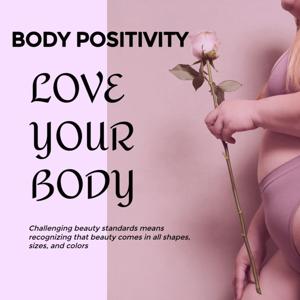
Cultural indicators in 2025 further underscored waning momentum, including trends like "shrinking girl summer" that normalized weight reduction aspirations and media reports of a return to early-2000s thinness norms, often critiqued by remaining advocates as regressive yet attributed by observers to empirical health data on obesity prevalence exceeding 40% in U.S. adults. Public perceptions of fat activism, per a 2025 study, increasingly viewed it as demanding undue accommodations without addressing modifiable risk factors, contributing to broader skepticism. While body positivity persists in niche communities, including ongoing digital engagement on platforms like TikTok where thick and curvy women share viral mirror selfies accompanied by captions emphasizing self-love and confidence, such as "Confident and Curvy!" and "Love your curves; they tell the story of your unique journey," its mainstream influence has notably contracted, supplanted by neutrality and pragmatic wellness priorities.
This episode includes AI-generated content.



 View all episodes
