
Sign up to save your podcasts
Or

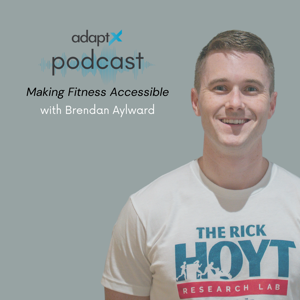

In this episode, Brendan and Greg Vanderbeek from the College of Engineering and Applied Science at the University of Colorado discuss the design and development of adaptive bikes in collaboration with local organizations in Boulder. The program aims to create lightweight, accessible bikes for individuals with disabilities, fostering a user-centered design process and meaningful collaboration with athletes to ensure the bikes meet their specific needs. The university's partnership with companies like SRAM and 3D Systems has been instrumental in supporting the project, as the future of 3D printing holds great potential for assistive technology and prosthetics, allowing for rapid prototyping and mold creation. The project not only creates tangible products but also fosters a shift in students' mindset towards accessibility and inclusion.
Brendan and Greg discuss how collaboration between universities and organizations benefits both parties and provides valuable learning experiences for students, exploring the intersection between normative education and tangible experience. Greg also shares his motivation and the rewarding aspect of donating bikes to families, exploring the hierarchy of function, aesthetics, and affordability from a socioeconomic standpoint.
To learn more about Greg’s work with the College of Engineering and Applied Science at Colorado, visit their website here: https://www.colorado.edu/mechanical/greg-vanderbeek
Episode 42 Takeaways
Episode 42 Chapters
00:00 - Introduction and Background
01:41 - Designing an Adaptive Bicycle
07:01 - Design Process and User-Centered Approach
10:51 - Accessibility and Scalability
14:19 - Impact on Students' Mindset
20:07 - Future of 3D Printing and Accessibility
25:40 - Safety Factors and Testing
28:22 - Collaboration and Innovation
30:11 - The First Prototype and Initial Success
32:18 - Donating Bikes to Families
33:41 - Collaboration with Other Engineering Departments
34:55 - Patent Protection and Open Source Design
40:06 - Hierarchy of Function, Aesthetics, and Affordability
41:50 - Advice for Students Interested in Engineering for Adaptive Equipment
43:49 - Reflecting on Past Work and Discovering the Adaptive Market
46:38 - Raising Awareness and Making Small Changes
 View all episodes
 By AdaptX
In this episode, Brendan and Greg Vanderbeek from the College of Engineering and Applied Science at the University of Colorado discuss the design and development of adaptive bikes in collaboration with local organizations in Boulder. The program aims to create lightweight, accessible bikes for individuals with disabilities, fostering a user-centered design process and meaningful collaboration with athletes to ensure the bikes meet their specific needs. The university's partnership with companies like SRAM and 3D Systems has been instrumental in supporting the project, as the future of 3D printing holds great potential for assistive technology and prosthetics, allowing for rapid prototyping and mold creation. The project not only creates tangible products but also fosters a shift in students' mindset towards accessibility and inclusion.
Brendan and Greg discuss how collaboration between universities and organizations benefits both parties and provides valuable learning experiences for students, exploring the intersection between normative education and tangible experience. Greg also shares his motivation and the rewarding aspect of donating bikes to families, exploring the hierarchy of function, aesthetics, and affordability from a socioeconomic standpoint.
To learn more about Greg’s work with the College of Engineering and Applied Science at Colorado, visit their website here: https://www.colorado.edu/mechanical/greg-vanderbeek
Episode 42 Takeaways
Episode 42 Chapters
00:00 - Introduction and Background
01:41 - Designing an Adaptive Bicycle
07:01 - Design Process and User-Centered Approach
10:51 - Accessibility and Scalability
14:19 - Impact on Students' Mindset
20:07 - Future of 3D Printing and Accessibility
25:40 - Safety Factors and Testing
28:22 - Collaboration and Innovation
30:11 - The First Prototype and Initial Success
32:18 - Donating Bikes to Families
33:41 - Collaboration with Other Engineering Departments
34:55 - Patent Protection and Open Source Design
40:06 - Hierarchy of Function, Aesthetics, and Affordability
41:50 - Advice for Students Interested in Engineering for Adaptive Equipment
43:49 - Reflecting on Past Work and Discovering the Adaptive Market
46:38 - Raising Awareness and Making Small Changes