Psychological and Sociological Dimensions.
Individual Psychological Impacts.
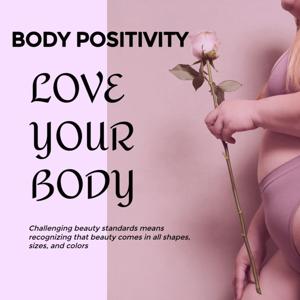
Exposure to body-positive content, such as social media posts promoting self-acceptance regardless of body size, has demonstrated short-term enhancements in body satisfaction and emotional well-being, with effects most pronounced among individuals with elevated body mass indices in experimental settings lasting up to two weeks. Daily engagement with such imagery over 14 days has correlated with reduced body dissatisfaction and increased positive mood in young women aged 18–25. These gains appear mediated by strengthened positive self-beliefs, which link body appreciation to broader indicators of mental health, including lower depressive symptoms, independent of body weight.
Interventions aligned with body positivity principles, such as Health at Every Size approaches emphasizing acceptance over weight reduction, have shown reductions in depression and self-esteem deficits in participants followed for periods up to one year, though benefits often coincide with behavioral shifts like improved physical activity rather than acceptance alone. However, these psychological uplifts are typically transient and context-dependent; longitudinal data beyond short interventions remains sparse, with most studies relying on self-reported measures prone to social desirability bias.
When body positivity messaging is perceived as prescriptive or autonomy-undermining, it can elicit psychological reactance, diminishing self-efficacy and exacerbating body-related distress rather than alleviating it, as observed in controlled comparisons of acceptance versus neutral prompts. Elevated self-esteem induced by unconditional body acceptance may also inversely relate to intentions for weight management, as higher self-regard reduces perceived urgency for change, potentially sustaining obesity-linked psychological burdens like chronic low mood and anxiety stemming from physiological comorbidities. Critics contend this dynamic fosters a form of denialism, where short-term emotional relief obscures incentives for adaptive behaviors, leading to entrenched dissatisfaction when health deteriorates without intervention.
Broader Sociological Influences and Cultural Shifts.
The body positivity movement emerged as a response to historical marginalization of larger bodies within fat acceptance activism, particularly among Black, queer, and feminist communities seeking visibility and challenging discriminatory norms rooted in thin-centric beauty standards. This sociological foundation drew from broader identity-based social movements that emphasized self-determination over biomedical definitions of health, viewing obesity stigma as a form of social control rather than a reflection of physiological risks. Such perspectives align with constructionist theories in sociology, which frame body size as culturally variable rather than universally tied to morbidity, though critics argue this overlooks empirical correlations between excess adiposity and conditions like type 2 diabetes and cardiovascular disease.
Cultural shifts influenced by body positivity include a marked increase in media representation of diverse body types, with plus-size models appearing in campaigns by brands like Dove and Nike since the mid-2010s, fostering a perceived democratization of beauty ideals. This has coincided with rising weight misperception, where individuals with overweight or obesity increasingly self-identify as normal weight—a trend observed in England from 1999 to 2014, potentially normalizing higher body mass indices (BMIs) and reducing incentives for weight management. Sociologically, this reflects a tension between anti-stigma efforts and unintended consequences, as greater exposure to body-positive content correlates with short-term boosts in body satisfaction but may embed larger sizes as aspirational, complicating public health messaging amid global obesity prevalence exceeding 13% in adults as of 2016 data.
In parallel, the movement has spurred a pivot toward body neutrality in recent years, prioritizing functional health over aesthetic affirmation, as seen in critiques from 2022 onward highlighting body positivity's commercialization and dilution of its activist origins. This evolution underscores causal influences from neoliberal individualism, where personal narrative trumps collective epidemiological evidence, yet empirical reviews indicate persistent body dissatisfaction gaps between obese and normal-weight groups, suggesting limited long-term societal reconfiguration of norms. Academic sources, often aligned with progressive frameworks, tend to emphasize empowerment narratives while underrepresenting data on obesity's socioeconomic burdens, such as healthcare costs estimated at $210 billion annually in the U.S. by 2019 analyses.
Body positivity in sexuality and sexual well-being.
Body positivity in sexuality refers to the application of body positivity principles to sexual experiences, asserting that all bodies—regardless of size, shape, age, ability, or genital appearance—are worthy of desire, pleasure, intimacy, and sexual expression. It challenges narrow cultural ideals that can lead to self-consciousness during sex.
Research shows a strong link between positive body image (aligned with body positivity) and enhanced sexual outcomes:
- Greater sexual confidence, higher frequency of sexual activity, increased initiation of sex, better arousal, easier orgasms, and higher overall sexual satisfaction.
- Individuals with positive body image are less distracted by self-criticism, allowing greater presence, attunement to sensations, and connection with partners.
- Negative body image correlates with sexual avoidance, performance anxiety, lower desire, distracting thoughts during sex, and reduced satisfaction.
These patterns apply across genders, though women often report stronger impacts on arousal and orgasm, while men (including gay and bisexual men) may face pressures around muscularity or genital size.
Body positivity contrasts with body neutrality in sexual contexts: positivity emphasizes active appreciation and celebration of the body as sexual/desirable, while neutrality focuses on non-judgmental acceptance of the body as a functional vessel for pleasure and connection, which some find more sustainable without pressure for constant positivity.
Benefits in sexual contexts include greater empowerment, adventurousness, mindfulness during intimacy, reduced risky behaviors through better self-worth, and stronger relational bonds via mutual acceptance.
Challenges and criticisms:
- Commercialization and performativity on social media can center conventionally attractive bodies.
- Not universally effective; one study found body positivity content did not improve—and sometimes worsened—body satisfaction and mood among sexual minority men due to comparison.
- May overlook deeper issues like trauma or medical conditions, and can blend into toxic positivity without space for struggle.
- Partner feedback (positive or negative) significantly influences body image and sexual well-being.
Overall, reducing body-related self-criticism through positivity or neutrality tends to improve sexual quality of life, shifting focus from appearance to pleasure and connection.
This episode includes AI-generated content.



 View all episodes
