
Sign up to save your podcasts
Or

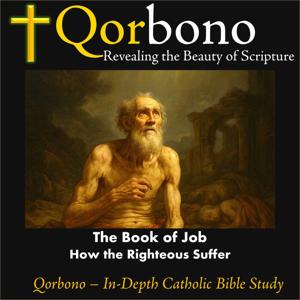

Why do we instinctively assume that suffering means guilt? In this fifth talk on the Book of Job, we confront retributive theology—the deeply rooted belief that good is always rewarded and evil always punished—and examine why Scripture ultimately rejects it.
We explore how this mindset reappears in modern forms, from the “health and wealth” gospel to aspects of Calvinist predestination, and why God’s rebuke in Job 42—“you have not spoken of me what is right”—is far more severe than it first appears. Drawing on the work of René Girard, we uncover how retributive theology fuels scapegoating, group judgment, and spiritual violence, and why the Bible uniquely sides with the innocent victim.
This episode also clarifies the crucial distinction between God’s sovereign and permissive will, showing how suffering—when rightly understood—can become the place where truth is revealed, hope is forged, and love grows deeper than pain.
The slides and notes for this lecture can be found here.
 View all episodes
 By Michael Joseph Mouawad
Why do we instinctively assume that suffering means guilt? In this fifth talk on the Book of Job, we confront retributive theology—the deeply rooted belief that good is always rewarded and evil always punished—and examine why Scripture ultimately rejects it.
We explore how this mindset reappears in modern forms, from the “health and wealth” gospel to aspects of Calvinist predestination, and why God’s rebuke in Job 42—“you have not spoken of me what is right”—is far more severe than it first appears. Drawing on the work of René Girard, we uncover how retributive theology fuels scapegoating, group judgment, and spiritual violence, and why the Bible uniquely sides with the innocent victim.
This episode also clarifies the crucial distinction between God’s sovereign and permissive will, showing how suffering—when rightly understood—can become the place where truth is revealed, hope is forged, and love grows deeper than pain.
The slides and notes for this lecture can be found here.