
Sign up to save your podcasts
Or

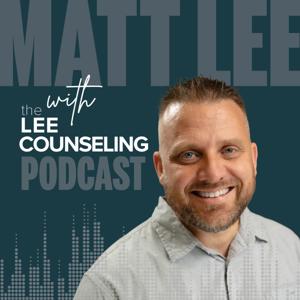

In the first episode of The Lee Counseling Podcast, Matt introduces the show's heart and sets the tone for practical, grounded conversations about mental health, faith, and connection.
This episode explores emotional regulation—why we sometimes react in ways that don’t reflect who we want to be —and what’s happening in our nervous system when that happens. Drawing from the work of Dan Siegel and Stephen Porges, Matt explains the window of tolerance and how our nervous system responds to safety and threat.
Using an Internal Family Systems–informed perspective, the episode reframes reactive behaviors, helping listeners understand that the parts of us that react are not bad—they are often trying to protect us. Rather than focusing on control or self-criticism, the conversation emphasizes awareness, compassion, and integration.
The episode closes with practical tools for returning to regulation, including noticing bodily sensations, naming what’s happening internally, and staying present with emotions so we can respond rather than react.
This first episode offers a thoughtful introduction to emotional regulation and invites listeners into healing that is relational, compassionate, and rooted in connection—because healing doesn’t happen in isolation.
For more resources and to book with Matt Lee, visit bio site:
bio.site/leecounselingks
 View all episodes
 By Matthew Lee, LPC
In the first episode of The Lee Counseling Podcast, Matt introduces the show's heart and sets the tone for practical, grounded conversations about mental health, faith, and connection.
This episode explores emotional regulation—why we sometimes react in ways that don’t reflect who we want to be —and what’s happening in our nervous system when that happens. Drawing from the work of Dan Siegel and Stephen Porges, Matt explains the window of tolerance and how our nervous system responds to safety and threat.
Using an Internal Family Systems–informed perspective, the episode reframes reactive behaviors, helping listeners understand that the parts of us that react are not bad—they are often trying to protect us. Rather than focusing on control or self-criticism, the conversation emphasizes awareness, compassion, and integration.
The episode closes with practical tools for returning to regulation, including noticing bodily sensations, naming what’s happening internally, and staying present with emotions so we can respond rather than react.
This first episode offers a thoughtful introduction to emotional regulation and invites listeners into healing that is relational, compassionate, and rooted in connection—because healing doesn’t happen in isolation.
For more resources and to book with Matt Lee, visit bio site:
bio.site/leecounselingks