
Sign up to save your podcasts
Or

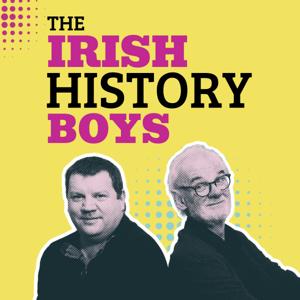

Tim McGarry and Dr Cormac look back at the significant news stories of 1926 and 1976. Regarding 1926, they explore the complexities of the cross-channel postal service and the unionist desire for a "red route" to bypass the Irish Free State, highlighting Northern Ireland's unique status as a "polity". They also examine the legacy of the Belfast boycott—a counterproductive campaign that may have accelerated the start of the Civil War—and a prophetic letter to the Irish News bemoaning the "lost art of conversation" in the face of new technologies like radio and cinema.
Moving to 1976, they reflect on a "bleak and miserable" period defined by "pure evil" and a "total political vacuum" following the collapse of the Sunningdale agreement. They delve into the horrific sectarian atrocities in South Armagh, specifically the Reevy and O'Dowd family murders and the retaliatory Kingsmill massacre. The hosts discuss the long-term impact on survivors like Alan Black, the lack of formal inquests, and the unsettling questions regarding potential British collusion and the mysterious role of Robert Nairac.
Hosted on Acast. See acast.com/privacy for more information.
 View all episodes
 By The Irish History Boys
Tim McGarry and Dr Cormac look back at the significant news stories of 1926 and 1976. Regarding 1926, they explore the complexities of the cross-channel postal service and the unionist desire for a "red route" to bypass the Irish Free State, highlighting Northern Ireland's unique status as a "polity". They also examine the legacy of the Belfast boycott—a counterproductive campaign that may have accelerated the start of the Civil War—and a prophetic letter to the Irish News bemoaning the "lost art of conversation" in the face of new technologies like radio and cinema.
Moving to 1976, they reflect on a "bleak and miserable" period defined by "pure evil" and a "total political vacuum" following the collapse of the Sunningdale agreement. They delve into the horrific sectarian atrocities in South Armagh, specifically the Reevy and O'Dowd family murders and the retaliatory Kingsmill massacre. The hosts discuss the long-term impact on survivors like Alan Black, the lack of formal inquests, and the unsettling questions regarding potential British collusion and the mysterious role of Robert Nairac.
Hosted on Acast. See acast.com/privacy for more information.