
Sign up to save your podcasts
Or


It is in coming to see our blindness that we begin to see.
For Laetare Sunday, Father Jegar's homily illuminates the theme of spiritual blindness through the transformative story of the blind man gaining sight, set against the backdrop of the Lenten call to joy. Laetare Sunday, a moment in Lent marked by rose-colored vestments, serves as a reminder of joy amidst penance. This joy is rooted in the deeper Christian understanding that we live Easter even in our most challenging moments of self-reflection and repentance.
Father Jegar delves into the profound symbolism in the Gospel, where physical blindness mirrors our own spiritual obscurities. He challenges the congregation to examine their assumptions and their understanding of seeing versus truly understanding. Through the narrative of the blind man, the homily explores how physical sight and spiritual insight are intertwined and how Jesus, claiming to be the light of the world, opens our eyes to more than just the physical world but to a deeper recognition of our spiritual state.
This homily invites the faithful to recognize their spiritual blindness and to seek clarity through Christ, who alone can illuminate the darkness. It’s a call to acknowledge our limitations, to embrace the transformative vision that faith in Christ offers, and to celebrate the hopeful joy that permeates even the penitential season of Lent, leading us towards Easter.
 View all episodes
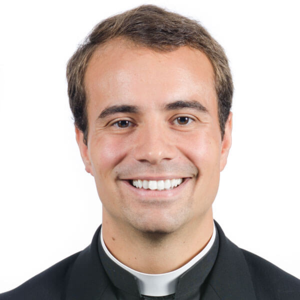
 By Father Jegar Fickel
It is in coming to see our blindness that we begin to see.
For Laetare Sunday, Father Jegar's homily illuminates the theme of spiritual blindness through the transformative story of the blind man gaining sight, set against the backdrop of the Lenten call to joy. Laetare Sunday, a moment in Lent marked by rose-colored vestments, serves as a reminder of joy amidst penance. This joy is rooted in the deeper Christian understanding that we live Easter even in our most challenging moments of self-reflection and repentance.
Father Jegar delves into the profound symbolism in the Gospel, where physical blindness mirrors our own spiritual obscurities. He challenges the congregation to examine their assumptions and their understanding of seeing versus truly understanding. Through the narrative of the blind man, the homily explores how physical sight and spiritual insight are intertwined and how Jesus, claiming to be the light of the world, opens our eyes to more than just the physical world but to a deeper recognition of our spiritual state.
This homily invites the faithful to recognize their spiritual blindness and to seek clarity through Christ, who alone can illuminate the darkness. It’s a call to acknowledge our limitations, to embrace the transformative vision that faith in Christ offers, and to celebrate the hopeful joy that permeates even the penitential season of Lent, leading us towards Easter.