
Sign up to save your podcasts
Or

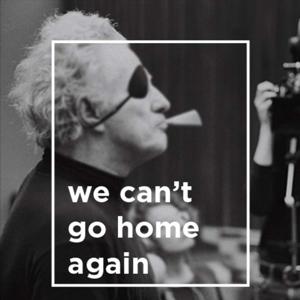

this week we were delighted to speak with filmmaker lav diaz, one of the most significant epic filmmakers of our time and, more recently, winner of the orrizonti best director award at the 77th biennale di venezia for his film lahi, hayop (genus, pan). though this latest work is "only" three hours, diaz is spoken about most often as the maker of long, long films characterised by a glacial pace and a vaguely mystical reverence for the contours of the universe shifting in real time. but in our own investigations into his earlier work we were amazed to find an altogether different diaz to the one that dominates the festival imagination.
for all the obviously "cinematic" attributes of his work—most notably the sense of time passing in staid long shots with little movement within the frame, an experience unique to the cinema—we found that diaz's work is, with all its narrative density and startlingly precise strokes of characterisation, closer to the epic realist novels of the 19th century or to the latin american boom literature of the 60s and 70s. it was in this spirit that we discussed lahi, hayop with diaz after its venice premiere. exploited workers trek across a remote island, hugaw, in the philippines in the late 90s and are eventually driven to violence themselves by desperation. but the journey itself is sketched in vivid detail: every step through the forest is a step further along a road that leads only to dissolution and brutality. yet this is also a film that challenges dominant ideas of in his work: about length, about labour relations and history, and about the simple structure of a narrative, which here is as classical as it gets.
 View all episodes
 By lucia salas and christopher small
this week we were delighted to speak with filmmaker lav diaz, one of the most significant epic filmmakers of our time and, more recently, winner of the orrizonti best director award at the 77th biennale di venezia for his film lahi, hayop (genus, pan). though this latest work is "only" three hours, diaz is spoken about most often as the maker of long, long films characterised by a glacial pace and a vaguely mystical reverence for the contours of the universe shifting in real time. but in our own investigations into his earlier work we were amazed to find an altogether different diaz to the one that dominates the festival imagination.
for all the obviously "cinematic" attributes of his work—most notably the sense of time passing in staid long shots with little movement within the frame, an experience unique to the cinema—we found that diaz's work is, with all its narrative density and startlingly precise strokes of characterisation, closer to the epic realist novels of the 19th century or to the latin american boom literature of the 60s and 70s. it was in this spirit that we discussed lahi, hayop with diaz after its venice premiere. exploited workers trek across a remote island, hugaw, in the philippines in the late 90s and are eventually driven to violence themselves by desperation. but the journey itself is sketched in vivid detail: every step through the forest is a step further along a road that leads only to dissolution and brutality. yet this is also a film that challenges dominant ideas of in his work: about length, about labour relations and history, and about the simple structure of a narrative, which here is as classical as it gets.