
Sign up to save your podcasts
Or

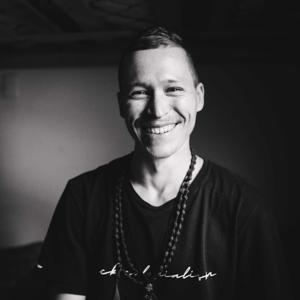

In this episode I'm hanging out on a mossy log on a surprisingly rainy, yet sunny day near Buntzen lake formly named Beautiful Lake, near the Tseil-Watuth ancestral village of təmtəmíxʷtən (Tum-tum-e-wht-ten). There was a path of stormy clouds, thunder booming, with a beautiful sunny sky shrouding the distant mountains, a magical day indeed, with dozens of ravens abound.
Here was a perfect place to integrate some of my experience of Firekeeping my first Sundance. This was my first experience of attending Sundance at all, and it was equally powerful, humbling and astonishing in its cultural expression. The Lakota Sundance is a part of the Dakota people's ceremonies and has ancient roots as the most sacred of their 7 ceremonies gifted to them by their ancestors. The teachings brought forward by these traditions are not mine to share, and I will draw from my direct experience, reflecting on what is mine to share and recalling anecdotes from my 9 days on the Sundance grounds.
The George Family's Sundance is held on the ancestral territory of the St'at'imc indigenous nation and the Xaxli'p band. The Tseil-Watuth nation are honored guests on these sacred lands and I am a settler and a guest on these lands, as well as the territories where I live, and where I recorded this podcast.
Subtopics that arose:
- Coming together in community
- What is a Sundance Chief? (from my limited lens)
- Revival of traditions
- Elders and sharing teachings in the community
- Addiction and grief in indigenous communities
- Experience vs Prayer
- Honouring teachings as a Settler/Guest/Ally
Song in the intro- "Light of the Mountain" by Brandon Tilt
I acknowledge that I learn, grow and heal on the unceded ancestral lands of the kʷikʷəƛ̓əm , the Katzie, the Stó:lō and the Tseil-Watuth First Nations. These lands were never abandoned nor surrendered by those with the ancestral rights to steward and protect these lands.
I honour and respect the elders, the children, the land stewards, the land protectors, the medicine keepers, and the men and women of all Indigenous nations.
Huy ch q’u (thank you) to those who support the indigenous communities and actively decolonize their minds and spirits.
Aho Mitakuye Oyasin, All my relations.
 View all episodes
 By Brandon Tilt
In this episode I'm hanging out on a mossy log on a surprisingly rainy, yet sunny day near Buntzen lake formly named Beautiful Lake, near the Tseil-Watuth ancestral village of təmtəmíxʷtən (Tum-tum-e-wht-ten). There was a path of stormy clouds, thunder booming, with a beautiful sunny sky shrouding the distant mountains, a magical day indeed, with dozens of ravens abound.
Here was a perfect place to integrate some of my experience of Firekeeping my first Sundance. This was my first experience of attending Sundance at all, and it was equally powerful, humbling and astonishing in its cultural expression. The Lakota Sundance is a part of the Dakota people's ceremonies and has ancient roots as the most sacred of their 7 ceremonies gifted to them by their ancestors. The teachings brought forward by these traditions are not mine to share, and I will draw from my direct experience, reflecting on what is mine to share and recalling anecdotes from my 9 days on the Sundance grounds.
The George Family's Sundance is held on the ancestral territory of the St'at'imc indigenous nation and the Xaxli'p band. The Tseil-Watuth nation are honored guests on these sacred lands and I am a settler and a guest on these lands, as well as the territories where I live, and where I recorded this podcast.
Subtopics that arose:
- Coming together in community
- What is a Sundance Chief? (from my limited lens)
- Revival of traditions
- Elders and sharing teachings in the community
- Addiction and grief in indigenous communities
- Experience vs Prayer
- Honouring teachings as a Settler/Guest/Ally
Song in the intro- "Light of the Mountain" by Brandon Tilt
I acknowledge that I learn, grow and heal on the unceded ancestral lands of the kʷikʷəƛ̓əm , the Katzie, the Stó:lō and the Tseil-Watuth First Nations. These lands were never abandoned nor surrendered by those with the ancestral rights to steward and protect these lands.
I honour and respect the elders, the children, the land stewards, the land protectors, the medicine keepers, and the men and women of all Indigenous nations.
Huy ch q’u (thank you) to those who support the indigenous communities and actively decolonize their minds and spirits.
Aho Mitakuye Oyasin, All my relations.