
Sign up to save your podcasts
Or

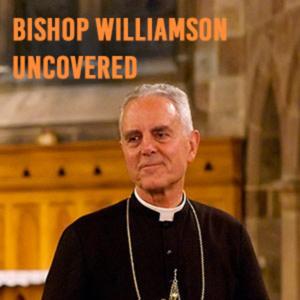

This lecture provides a systematic theological analysis of the Book of the Apocalypse, focusing on its teachings regarding the Holy Spirit. The speaker begins by identifying the Holy Spirit as the primary "force of prophetic inspiration" that allows John to receive his visions. He delves into a detailed scholastic explanation of what it means to be "in the spirit," defining it as a state where the natural intellect is moved by a supernatural force from God. The talk further breaks down the concept of divine locution, or communication from God, into three distinct types: those that come through the senses and two that are infused directly into the intellect, either with or without intellectual words.
The discussion then moves to the roles of angels and the nature of the Church as depicted in the Apocalypse. Angels are described as innumerable creatures who are superhuman but subordinate to God, acting as fellow servants with Christians. Their primary functions include adoration, executing God's will, conveying prophetic messages, and presenting the prayers of the saints to God. Following this, the lecture outlines the key attributes of the Church, portraying it as the Bride of Christ. It is described as apostolic, being built on the foundation of the apostles; catholic, embracing all nations; one, holy, social, and hierarchical in its structure.
Finally, the speaker addresses the topic of eschatology, or the study of the last things. He argues that the Apocalypse presents the current Messianic age on Earth and eternal life in heaven as a single, unified reality. According to the lecture, the "last age of the world" began with Christ's ascension and is in a state of continuous "dawning" that recurs whenever individuals are sanctified or nations convert. This process is viewed not as a simple chronological event but as an ongoing spiritual reality that leads believers from the state of grace on Earth to the full glory of heaven.
 View all episodes
 By Bishop Williamson
This lecture provides a systematic theological analysis of the Book of the Apocalypse, focusing on its teachings regarding the Holy Spirit. The speaker begins by identifying the Holy Spirit as the primary "force of prophetic inspiration" that allows John to receive his visions. He delves into a detailed scholastic explanation of what it means to be "in the spirit," defining it as a state where the natural intellect is moved by a supernatural force from God. The talk further breaks down the concept of divine locution, or communication from God, into three distinct types: those that come through the senses and two that are infused directly into the intellect, either with or without intellectual words.
The discussion then moves to the roles of angels and the nature of the Church as depicted in the Apocalypse. Angels are described as innumerable creatures who are superhuman but subordinate to God, acting as fellow servants with Christians. Their primary functions include adoration, executing God's will, conveying prophetic messages, and presenting the prayers of the saints to God. Following this, the lecture outlines the key attributes of the Church, portraying it as the Bride of Christ. It is described as apostolic, being built on the foundation of the apostles; catholic, embracing all nations; one, holy, social, and hierarchical in its structure.
Finally, the speaker addresses the topic of eschatology, or the study of the last things. He argues that the Apocalypse presents the current Messianic age on Earth and eternal life in heaven as a single, unified reality. According to the lecture, the "last age of the world" began with Christ's ascension and is in a state of continuous "dawning" that recurs whenever individuals are sanctified or nations convert. This process is viewed not as a simple chronological event but as an ongoing spiritual reality that leads believers from the state of grace on Earth to the full glory of heaven.