
Sign up to save your podcasts
Or

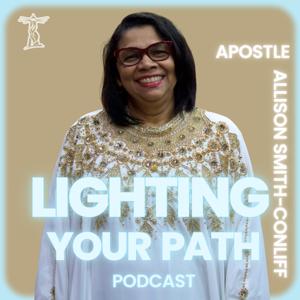

Apostle Allison Smith Conliff delivers a direct, “sobering” call to biblical doctrine, holiness, and spiritual identity, anchored primarily in 1 Corinthians 6 (especially vv. 9–20) and supported by Ephesians 1. The Apostle stresses that believers must know Scripture for themselves, encouraging even children to own a personal Bible as a “manual for life,” and warning against diluted or “comic” versions that mix non-biblical material into what is presented as Scripture. She frames this as a foundational issue of sound doctrine and accuracy.
A central theme is eternal accountability: the preacher underscores that the unrighteous will not inherit God’s kingdom, insisting salvation is not a “magical prayer” after death and that each person decides their eternal direction while alive. She challenges cultural assumptions that a funeral service, religious ritual, or public prayer can “transition” someone from hell to heaven after they have died. Instead, she presses the urgency of repentance and righteous living now, especially for the young, who may assume they have “time” to change later.
Moving through 1 Corinthians 6:9–10, she highlights specific sins the text names (sexual immorality, idolatry, adultery, theft, drunkenness, etc.) and repeats the biblical warning “be not deceived”, meaning people must not fool themselves into thinking ongoing sin is compatible with inheriting the kingdom. She addresses modern sexual pressure on teenagers, condemns exploitation of minors by adults, and warns that immoral choices carry spiritual consequences even if they are normalized socially.
The sermon then pivots to the hope-filled turning point of the passage: “such were some of you… but you are washed… sanctified… justified” (1 Cor. 6:11). She emphasizes that the gospel brings real transformation, and that a believer’s past can become a testimony—without returning to it. She rejects the idea of using grace as permission to continue in compromise, explicitly challenging the doctrine of “once saved, always saved” as incompatible with abiding faithfully in Christ.
Another major focus is the body as God’s temple. The Apostle teaches that freedom in Christ is not freedom “to go into folly,” and that believers must stop treating the body as personal property to use however they wish. She argues from 1 Corinthians 6 that the believer’s body is a member of Christ and that joining oneself sexually to ungodliness pollutes the temple. Using practical, memorable examples (including how small disobedience can affect spiritual sensitivity and ministry), she calls the church to develop character integrity, to be the same person inside and outside church, because inconsistent living damages witness and pushes unbelievers away.
She also reassures listeners that God can still use people with difficult pasts, referencing biblical examples such as Rahab and Paul, showing that deliverance and purpose are possible, but only if a person does not “go back” after being cleansed. The sermon closes by tying holiness to spiritual inheritance and calling through Ephesians 1: believers need wisdom and revelation to grasp “the hope of His calling” and “the riches of His inheritance in the saints,” and that inheritance is for the blood-washed, sanctified, and obedient. The final prayer asks that the congregation not “miss heaven,” that those struggling come into alignment, and that God rekindle passion, liberate His people, and strengthen them to overcome spiritual pressure.
Rec. Date: 22nd September, 2024
 View all episodes
 By Lighthouse Empowerment Sanctuary
Apostle Allison Smith Conliff delivers a direct, “sobering” call to biblical doctrine, holiness, and spiritual identity, anchored primarily in 1 Corinthians 6 (especially vv. 9–20) and supported by Ephesians 1. The Apostle stresses that believers must know Scripture for themselves, encouraging even children to own a personal Bible as a “manual for life,” and warning against diluted or “comic” versions that mix non-biblical material into what is presented as Scripture. She frames this as a foundational issue of sound doctrine and accuracy.
A central theme is eternal accountability: the preacher underscores that the unrighteous will not inherit God’s kingdom, insisting salvation is not a “magical prayer” after death and that each person decides their eternal direction while alive. She challenges cultural assumptions that a funeral service, religious ritual, or public prayer can “transition” someone from hell to heaven after they have died. Instead, she presses the urgency of repentance and righteous living now, especially for the young, who may assume they have “time” to change later.
Moving through 1 Corinthians 6:9–10, she highlights specific sins the text names (sexual immorality, idolatry, adultery, theft, drunkenness, etc.) and repeats the biblical warning “be not deceived”, meaning people must not fool themselves into thinking ongoing sin is compatible with inheriting the kingdom. She addresses modern sexual pressure on teenagers, condemns exploitation of minors by adults, and warns that immoral choices carry spiritual consequences even if they are normalized socially.
The sermon then pivots to the hope-filled turning point of the passage: “such were some of you… but you are washed… sanctified… justified” (1 Cor. 6:11). She emphasizes that the gospel brings real transformation, and that a believer’s past can become a testimony—without returning to it. She rejects the idea of using grace as permission to continue in compromise, explicitly challenging the doctrine of “once saved, always saved” as incompatible with abiding faithfully in Christ.
Another major focus is the body as God’s temple. The Apostle teaches that freedom in Christ is not freedom “to go into folly,” and that believers must stop treating the body as personal property to use however they wish. She argues from 1 Corinthians 6 that the believer’s body is a member of Christ and that joining oneself sexually to ungodliness pollutes the temple. Using practical, memorable examples (including how small disobedience can affect spiritual sensitivity and ministry), she calls the church to develop character integrity, to be the same person inside and outside church, because inconsistent living damages witness and pushes unbelievers away.
She also reassures listeners that God can still use people with difficult pasts, referencing biblical examples such as Rahab and Paul, showing that deliverance and purpose are possible, but only if a person does not “go back” after being cleansed. The sermon closes by tying holiness to spiritual inheritance and calling through Ephesians 1: believers need wisdom and revelation to grasp “the hope of His calling” and “the riches of His inheritance in the saints,” and that inheritance is for the blood-washed, sanctified, and obedient. The final prayer asks that the congregation not “miss heaven,” that those struggling come into alignment, and that God rekindle passion, liberate His people, and strengthen them to overcome spiritual pressure.
Rec. Date: 22nd September, 2024