
Sign up to save your podcasts
Or

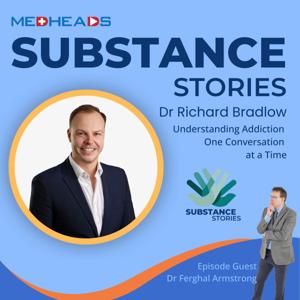

Addiction recovery, brain health, and lifestyle medicine are deeply connected—and most people misunderstand why.
The Misconception
Many people believe addiction recovery is about willpower.
Just try harder.
Make better decisions.
Be more disciplined.
But addiction is not a motivation problem.It’s a brain disease that impairs decision-making circuitry—particularly in the prefrontal cortex and dopamine reward pathways.
When those systems are dysregulated, your ability to choose rationally around substances is compromised. That’s not weakness. That’s neurobiology.
This episode introduces a three-part series exploring spirituality across major traditions and why—even in a modern, secular world—preventative neuroscience and lifestyle medicine suggest we may need something bigger than ourselves to recover.
If addiction is loss of control, recovery begins with redefining where control lives.
 View all episodes
 By Meducate
Addiction recovery, brain health, and lifestyle medicine are deeply connected—and most people misunderstand why.
The Misconception
Many people believe addiction recovery is about willpower.
Just try harder.
Make better decisions.
Be more disciplined.
But addiction is not a motivation problem.It’s a brain disease that impairs decision-making circuitry—particularly in the prefrontal cortex and dopamine reward pathways.
When those systems are dysregulated, your ability to choose rationally around substances is compromised. That’s not weakness. That’s neurobiology.
This episode introduces a three-part series exploring spirituality across major traditions and why—even in a modern, secular world—preventative neuroscience and lifestyle medicine suggest we may need something bigger than ourselves to recover.
If addiction is loss of control, recovery begins with redefining where control lives.