
Sign up to save your podcasts
Or

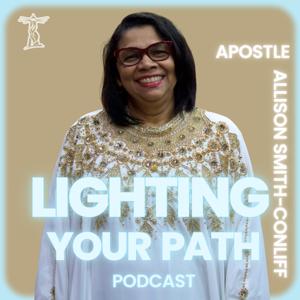

Apostle Allison Smith Conliff focuses on the importance of faith, discipline, and divine purpose. She provides clarity on the identities of John the Baptist and John the Apostle, using their lives to illustrate how God works through individuals. A central theme is the miraculous healing of the man at the pool of Bethesda, which serves as a call for listeners to expect instant breakthroughs in their own lives. Beyond spiritual healing, the message emphasizes practical Christian living, urging the congregation to be thankful ambassadors of heaven and to stay alert to the realities of modern life. Ultimately, the message encourages believers to sacrifice personal desires to fulfill their God-given assignments through love and commitment.
Key Points:
The biblical accounts regarding the "man John", referring to both John the Baptist and John the Apostle, illustrate that divine alignment requires submitting one’s timing, speech, character, and actions to God’s specific commands and kingdom principles.
The following themes explain how these accounts illustrate the necessity of divine alignment:
The account of John the Baptist’s birth demonstrates that divine alignment often requires silence to protect a miracle. When Zechariah, John’s father, questioned the angel’s message, God "muted" him for a season. This was necessary because Zechariah would have "talked out of timing" and potentially destroyed his own miracle with his mouth. This illustrates that alignment involves having control over one's speech so that it does not "hinder your miracle". Zechariah’s speech was only restored when he aligned with God's instruction to name the child John.
The Apostle contrasts the early temperament of John the Apostle with his eventual transformation through divine alignment.
Alignment is not just about "being in church" but about recognizing and fulfilling a specific "assignment" or "purpose".
Divine alignment requires following God's "rules and regulation" rather than acting on one's "own terms".
Though the story of the man at the pool of Bethesda is found in the Gospel of John, it serves as a further illustration of alignment. The man had been crippled for 38 years, but his "moment of change" came when he aligned his actions with Jesus's immediate command to "Get up. Pick up your bed... and walk". For a miracle to be effective, the Word must be "applied" rather than just heard, much like medicine must be applied to a wound to work.
Rec. Date: 21st January, 2024
 View all episodes
 By Lighthouse Empowerment Sanctuary
Apostle Allison Smith Conliff focuses on the importance of faith, discipline, and divine purpose. She provides clarity on the identities of John the Baptist and John the Apostle, using their lives to illustrate how God works through individuals. A central theme is the miraculous healing of the man at the pool of Bethesda, which serves as a call for listeners to expect instant breakthroughs in their own lives. Beyond spiritual healing, the message emphasizes practical Christian living, urging the congregation to be thankful ambassadors of heaven and to stay alert to the realities of modern life. Ultimately, the message encourages believers to sacrifice personal desires to fulfill their God-given assignments through love and commitment.
Key Points:
The biblical accounts regarding the "man John", referring to both John the Baptist and John the Apostle, illustrate that divine alignment requires submitting one’s timing, speech, character, and actions to God’s specific commands and kingdom principles.
The following themes explain how these accounts illustrate the necessity of divine alignment:
The account of John the Baptist’s birth demonstrates that divine alignment often requires silence to protect a miracle. When Zechariah, John’s father, questioned the angel’s message, God "muted" him for a season. This was necessary because Zechariah would have "talked out of timing" and potentially destroyed his own miracle with his mouth. This illustrates that alignment involves having control over one's speech so that it does not "hinder your miracle". Zechariah’s speech was only restored when he aligned with God's instruction to name the child John.
The Apostle contrasts the early temperament of John the Apostle with his eventual transformation through divine alignment.
Alignment is not just about "being in church" but about recognizing and fulfilling a specific "assignment" or "purpose".
Divine alignment requires following God's "rules and regulation" rather than acting on one's "own terms".
Though the story of the man at the pool of Bethesda is found in the Gospel of John, it serves as a further illustration of alignment. The man had been crippled for 38 years, but his "moment of change" came when he aligned his actions with Jesus's immediate command to "Get up. Pick up your bed... and walk". For a miracle to be effective, the Word must be "applied" rather than just heard, much like medicine must be applied to a wound to work.
Rec. Date: 21st January, 2024