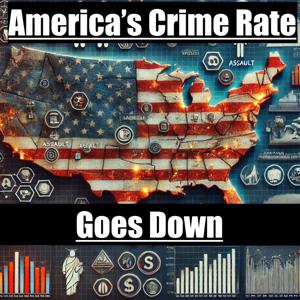
The State of Crime in the United States: A Comprehensive Analysis Crime rates in the United States have been a topic of ongoing concern and debate among policymakers, researchers, and the public. The complexity of crime trends and their fluctuations over time are influenced by a multitude of factors, including socioeconomic conditions, demographic shifts, and policy changes. While the country has experienced significant declines in crime rates over the past several decades, recent years have seen a mix of continued reductions and unexpected spikes in certain crime categories. This podcast will explore the historical context and current state of crime in the United States, delve into contributing factors, and provide an analysis of the geographic and demographic disparities in crime rates. It will also highlight how public perception of crime often differs from reality and discuss policy responses and strategies aimed at addressing the root causes of crime. Historical Context: Crime Trends from the 1990s to the Present Crime in the United States reached its peak in the early 1990s. The violent crime rate, which includes offenses such as murder, rape, robbery, and aggravated assault, was at its highest level in decades. Similarly, property crimes such as burglary, larceny-theft, and motor vehicle theft were also rampant during this period. Many cities, including New York, Los Angeles, and Chicago, were experiencing significant spikes in crime, contributing to a heightened sense of fear and insecurity among the public. The factors that contributed to the rise in crime during this era were multifaceted. The crack cocaine epidemic, which began in the mid-1980s, led to increased drug-related violence and gang activity in many urban centers. Additionally, the proliferation of firearms and the collapse of inner-city economies resulted in increased unemployment and poverty, which are closely linked to higher crime rates. The response to rising crime was swift and, in many cases, severe. Policymakers enacted tougher sentencing laws, such as mandatory minimum sentences and “Three Strikes” laws, which mandated life sentences for offenders convicted of three serious crimes. Law enforcement agencies adopted aggressive policing tactics, and the use of “stop-and-frisk” and other controversial methods became more prevalent. The Crime Decline: Late 1990s and 2000s Beginning in the mid-1990s, the United States experienced a dramatic and sustained decline in crime rates. According to the FBI’s Uniform Crime Reporting (UCR) Program, violent crime rates fell by 49% between 1993 and 2022, while property crime rates declined by 59% during the same period (source: Pew Research Center). This reduction in crime has been attributed to various factors, including: Economic Growth: The economic boom of the 1990s resulted in lower unemployment rates and increased job opportunities, which contributed to a decrease in crime. Improved Policing Strategies: The adoption of data-driv
This content was created in partnership and with the help of Artificial Intelligence AI.



 View all episodes
