
Sign up to save your podcasts
Or

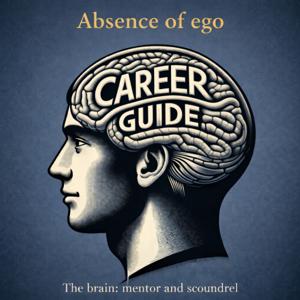

Even for very experienced candidates with several professional transitions to their credit, the job interview cycle can be grueling, sometimes horribly so. At the very least, given that one normally applies for a variety of positions during a given period, they demand a significant amount of time and energy. We continue to explore what goes on in our psyche during this process and suggest ways to improve your confidence before, during and after each interview or related step in the recruitment process. Being a bit nervous is a good thing as it provides an adrenaline buzz you can use to your advantage, but thorough preparation and a few tricks to slow down the exchange will also help you proceed in a more confident manner.
Remember that you can contact us at [email protected] with your feedback and suggestions. If you like the episode, why not follow us, too?
---------------------------------------------------------
Resources
https://ikigaitest.com/ (free test to identify what you are best at, most passionate about, and where and how you can find ways to be remunerated for doing this)
Impostor Syndrome:
Clance, P. R., & Imes, S. A. (1978). The Impostor Phenomenon in High Achieving Women: Dynamics and Therapeutic Intervention. Psychotherapy: Theory, Research & Practice, 15(3), 241–247.
Easy summary: APA article on Impostor Phenomenon
Dunning–Kruger Effect:
Kruger, J., & Dunning, D. (1999). Unskilled and Unaware of It: How Difficulties in Recognizing One's Own Incompetence Lead to Inflated Self-Assessments. Journal of Personality and Social Psychology, 77(6), 1121–1134.
Easy summary: Psychology Today – Dunning–Kruger Effect
Stress and Performance (Yerkes–Dodson Law):
erkes, R. M., & Dodson, J. D. (1908). The relation of strength of stimulus to rapidity of habit-formation. Journal of Comparative Neurology and Psychology, 18(5), 459–482.
Easy summary: Verywell Mind – Yerkes–Dodson Law
Amygdala and Threat Response:
LeDoux, J. E. (2000). Emotion Circuits in the Brain. Annual Review of Neuroscience, 23, 155–184.
Easy summary: Harvard Health – The Amygdala and Fear Response
Social Threat & Pain Overlap:
Eisenberger, N. I., Lieberman, M. D., & Williams, K. D. (2003). Does Rejection Hurt? An fMRI Study of Social Exclusion. Science, 302(5643), 290–292.
Easy summary: Greater Good Science Center – Why Social Rejection Hurts
Prefrontal Cortex Regulation & Stress:
Arnsten, A. F. (2009). Stress signalling pathways that impair prefrontal cortex structure and function. Nature Reviews Neuroscience, 10(6), 410–422.
Easy summary: Two Parts of the Brain Govern Much of Mental Life
---------------------------------------------------------
Credits
Intro:
Karin Hagemann
Co-hosts:
Stephen Fischer, LinkedIn: linkedin.com/in/saffischer
Jamshid Asadzadeh, LinkedIn: linkedin.com/in/jamshid-asadzadeh
Music
Theme music: Inside You - Leva (https://open.spotify.com/artist/4XWZhZ32YrVV5lvpF7cr1E?si=tnbSklR7SJyPNKiHP4MbHA)
Interlude music: Futuristic Beat - RoyaltyFreeMusic (https://goo.su/janevo)
Outro music: "Cloud Dancer " Kevin MacLeod (incompetech.com)
Licensed under Creative Commons: By Attribution 4.0 License
http://creativecommons.org/licenses/by/4.0/
 View all episodes
 By Stephen Fischer and Jamshid Asadzadeh
Even for very experienced candidates with several professional transitions to their credit, the job interview cycle can be grueling, sometimes horribly so. At the very least, given that one normally applies for a variety of positions during a given period, they demand a significant amount of time and energy. We continue to explore what goes on in our psyche during this process and suggest ways to improve your confidence before, during and after each interview or related step in the recruitment process. Being a bit nervous is a good thing as it provides an adrenaline buzz you can use to your advantage, but thorough preparation and a few tricks to slow down the exchange will also help you proceed in a more confident manner.
Remember that you can contact us at [email protected] with your feedback and suggestions. If you like the episode, why not follow us, too?
---------------------------------------------------------
Resources
https://ikigaitest.com/ (free test to identify what you are best at, most passionate about, and where and how you can find ways to be remunerated for doing this)
Impostor Syndrome:
Clance, P. R., & Imes, S. A. (1978). The Impostor Phenomenon in High Achieving Women: Dynamics and Therapeutic Intervention. Psychotherapy: Theory, Research & Practice, 15(3), 241–247.
Easy summary: APA article on Impostor Phenomenon
Dunning–Kruger Effect:
Kruger, J., & Dunning, D. (1999). Unskilled and Unaware of It: How Difficulties in Recognizing One's Own Incompetence Lead to Inflated Self-Assessments. Journal of Personality and Social Psychology, 77(6), 1121–1134.
Easy summary: Psychology Today – Dunning–Kruger Effect
Stress and Performance (Yerkes–Dodson Law):
erkes, R. M., & Dodson, J. D. (1908). The relation of strength of stimulus to rapidity of habit-formation. Journal of Comparative Neurology and Psychology, 18(5), 459–482.
Easy summary: Verywell Mind – Yerkes–Dodson Law
Amygdala and Threat Response:
LeDoux, J. E. (2000). Emotion Circuits in the Brain. Annual Review of Neuroscience, 23, 155–184.
Easy summary: Harvard Health – The Amygdala and Fear Response
Social Threat & Pain Overlap:
Eisenberger, N. I., Lieberman, M. D., & Williams, K. D. (2003). Does Rejection Hurt? An fMRI Study of Social Exclusion. Science, 302(5643), 290–292.
Easy summary: Greater Good Science Center – Why Social Rejection Hurts
Prefrontal Cortex Regulation & Stress:
Arnsten, A. F. (2009). Stress signalling pathways that impair prefrontal cortex structure and function. Nature Reviews Neuroscience, 10(6), 410–422.
Easy summary: Two Parts of the Brain Govern Much of Mental Life
---------------------------------------------------------
Credits
Intro:
Karin Hagemann
Co-hosts:
Stephen Fischer, LinkedIn: linkedin.com/in/saffischer
Jamshid Asadzadeh, LinkedIn: linkedin.com/in/jamshid-asadzadeh
Music
Theme music: Inside You - Leva (https://open.spotify.com/artist/4XWZhZ32YrVV5lvpF7cr1E?si=tnbSklR7SJyPNKiHP4MbHA)
Interlude music: Futuristic Beat - RoyaltyFreeMusic (https://goo.su/janevo)
Outro music: "Cloud Dancer " Kevin MacLeod (incompetech.com)
Licensed under Creative Commons: By Attribution 4.0 License
http://creativecommons.org/licenses/by/4.0/