
Sign up to save your podcasts
Or

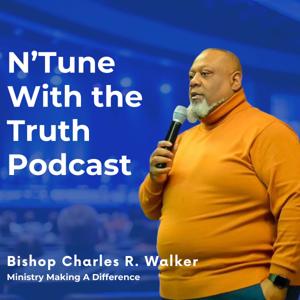

In Hosea 3, God tells the prophet to love his wife again—even after betrayal. It is a living picture of God’s relentless love for His people. Where others would walk away, God steps closer. Where others would cancel, God restores. Where others would abandon, God redeems.
Any other love would have left.
Any other love would have given up.
Any other love would have said, “Enough is enough.”
But God’s love is not ordinary. It is covenant love. Faithful love. Redeeming love.
Hosea doesn’t just forgive—he pursues. He doesn’t just feel love—he demonstrates it. He pays the price to bring back what belonged to him. That’s the Gospel. God didn’t walk away from us in our unfaithfulness. He came after us.
This message reminds us:
You may have failed. You may have strayed. But God’s love is not fragile. It is faithful.
Any other love would’ve walked away.
But not this love.
 View all episodes
 By Bishop Charles R. Walker
In Hosea 3, God tells the prophet to love his wife again—even after betrayal. It is a living picture of God’s relentless love for His people. Where others would walk away, God steps closer. Where others would cancel, God restores. Where others would abandon, God redeems.
Any other love would have left.
Any other love would have given up.
Any other love would have said, “Enough is enough.”
But God’s love is not ordinary. It is covenant love. Faithful love. Redeeming love.
Hosea doesn’t just forgive—he pursues. He doesn’t just feel love—he demonstrates it. He pays the price to bring back what belonged to him. That’s the Gospel. God didn’t walk away from us in our unfaithfulness. He came after us.
This message reminds us:
You may have failed. You may have strayed. But God’s love is not fragile. It is faithful.
Any other love would’ve walked away.
But not this love.