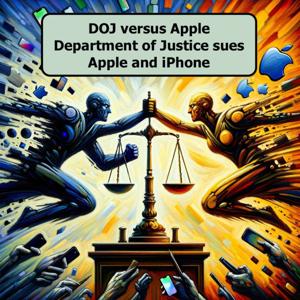
The U.S. Department of Justice's major antitrust lawsuit against Apple, filed last year accusing the company of illegally monopolizing the smartphone market through restrictive app store rules and other practices, saw a fresh development this week when Apple fired back aggressively in a related California federal court battle. On Monday, March seventeen, two thousand twenty-six, Apple asked the judge to slap sanctions on lawyers representing iPhone users in a connected antitrust case originally targeting Google for anticompetitive search deals but now dragging Apple back in[1]. Apple called the plaintiffs' subpoena demands unrelenting and increasingly egregious, claiming they are just fishing for evidence to wrongly revive Apple as a defendant after it was dropped earlier.
This skirmish highlights the ongoing tension in the broader DOJ-Apple fight, where the government under Assistant Attorney General Jonathan Kanter—who led the Antitrust Division until two thousand twenty-five—pushed hard against Big Tech dominance, though no new statements from current DOJ leaders emerged in the past few days. On Apple's side, no top executives like chief executive Tim Cook commented directly on this filing, but the company's legal team is digging in, portraying the users' efforts as overreach that could drag out proceedings.
No major wins or losses popped up for either side in court this week—this sanctions bid is more of a defensive jab by Apple amid discovery fights—but it underscores how these side battles could slow the main DOJ case, which seeks to force Apple to open up its ecosystem. Analysts see potential industry ripples if the DOJ prevails, like easier app sideloading and payment options that could boost rivals and cut Apple's cut from developers, though Apple argues it protects user privacy.
Separately, California Senator Scott Wiener's announcement of the Blocking Anticompetitive Self-preferencing by Entrenched Dominant platforms Act—or BASED Act—ties into the scrutiny on Apple, explicitly calling out practices like anti-steering policies that a Ninth Circuit ruling already deemed violations of state law back in two thousand twenty-three. The bill targets giants like Apple with over one trillion dollars market cap and one hundred million monthly U.S. users, banning self-favoring in search results, data misuse against competitors, and more. Kanter praised it as filling federal gaps, hinting at state-level pressure that could amplify DOJ efforts even if the federal suit faces appeals.
Projections remain murky: legal experts figure the sanctions motion might fizzle without penalties, but it signals Apple's resolve to fight tooth and nail, potentially pushing any trial into late two thousand twenty-six or beyond. If the DOJ scores a structural breakup or remedies, it could reshape app stores industry-wide, lowering barriers for startups and spurring innovation—your friendly neighborhood reminder that while consumers might get cheaper apps, Apple fa
This content was created in partnership and with the help of Artificial Intelligence AI.



 View all episodes
