
Sign up to save your podcasts
Or


In all three of the readings for today's liturgy, we receive a command to do something as a perpetual institution or action. God commands Moses and the Israelites to celebrate the Passover every year in commemoration of the Exodus. Jesus washes the feet of his disciples in the Gospel and tells them to wash each other's feet. St. Paul tells the Corinthians that he is handing on to them what he himself received from the Lord: the celebration of the Body and Blood of Christ. Then he says, "As often as you eat this Bread and drink this Cup, you proclaim the death of the Lord until he comes again." Whereas the first two actions (Passover and the Washing of Feet) are actions that we replicate year after year, the Mass is much more than that. Through the power of the liturgy, Christ and his salvific action becomes truly present to us. God thirsts for our faith; the liturgy is God's way of satiating that divine thirst.
 View all episodes
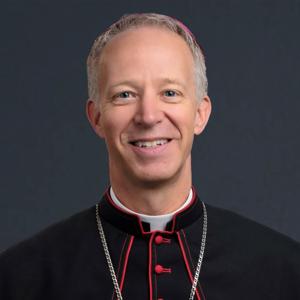
 By Bishop Bill Wack, CSC
In all three of the readings for today's liturgy, we receive a command to do something as a perpetual institution or action. God commands Moses and the Israelites to celebrate the Passover every year in commemoration of the Exodus. Jesus washes the feet of his disciples in the Gospel and tells them to wash each other's feet. St. Paul tells the Corinthians that he is handing on to them what he himself received from the Lord: the celebration of the Body and Blood of Christ. Then he says, "As often as you eat this Bread and drink this Cup, you proclaim the death of the Lord until he comes again." Whereas the first two actions (Passover and the Washing of Feet) are actions that we replicate year after year, the Mass is much more than that. Through the power of the liturgy, Christ and his salvific action becomes truly present to us. God thirsts for our faith; the liturgy is God's way of satiating that divine thirst.