
Sign up to save your podcasts
Or

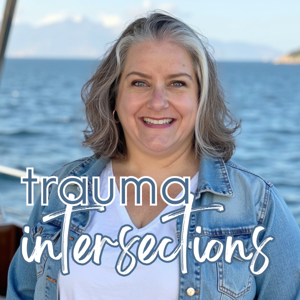

In this episode of Trauma Intersections, host Courtney Copeland opens up about grief, sharing her personal losses between 2020 and 2024, including her mother, father, and two beloved dogs. She explores the non-linear stages of grief, the complexity of mourning difficult relationships, and the challenge of grieving while managing daily responsibilities. Courtney emphasizes the importance of having a will to ease family burdens and offers coping strategies such as journaling, physical activity, and seeking connection. She reminds listeners that grief is deeply personal, has no set timeline, and that healing comes through expression and support.
Timestamps
Introduction to Grief (00:00:00) The host introduces the topic of grief, prompted by listener requests, and prepares the audience for an emotional episode.
The Clinical Stages of Grief (00:01:05) A breakdown of the seven clinical stages of grief, such as shock, denial, and anger, emphasizing they are not linear.
Personal Losses Between 2020-2024 (00:03:48) The host shares her personal story of losing her mother, two dogs (Oliver and Vivian), and her father in four years.
Grieving a Slow Decline vs. Sudden Loss (00:05:07) Contrasting the anticipatory grief for her mother's slow death with the sudden, unexpected death of her father after an accident.
The Trauma of a Father's Unexpected Death (00:07:37) A detailed, traumatic account of learning about her father's accident, the hospital experience, and the decision to remove life support.
The Indescribable Grief of Sudden Loss (00:10:56) Discussing the unique, life-changing pain of sudden loss and the challenge of managing work and teaching responsibilities immediately after.
The Importance of Having a Will (00:12:13) Highlighting the added burden of sorting her father's estate and businesses, advising listeners to get their affairs in order.
The Reality of Bereavement Leave (00:14:50) Criticizing the inadequacy of standard three-day bereavement leave and sharing her need to take two years off to heal.
Grief is Not a Magic Pill (00:15:56) Explaining that grief has no quick fix and that processing it takes time, even for a trained counselor.
Grief from Witnessing Trauma (00:17:10) Discussing secondary grief experienced by first responders or witnesses of tragic events, especially those involving children.
Turning Pain into Purpose (00:18:36) Sharing how grief can be transformed into something positive, like becoming a death doula to help others pre-grieve.
Grieving Complicated Relationships (00:20:15) The host discusses grieving the parents she needed but never had, acknowledging their flaws and the unresolved issues.
Feeling Your Feelings After a Loss (00:22:20) Validating feelings of anger or disappointment toward the deceased, stating it's human and doesn't diminish the grief.
Triggers and Lingering Sadness (00:23:26) Describing how songs or memories can trigger waves of grief and the pain of no longer being able to call them.
Coping Mechanisms for Grief (00:25:42) Suggesting healthy coping strategies like journaling, reflecting on memories, and understanding the "why" behind past behaviors.
Physical and Active Coping Strategies (00:28:10) Recommending physical activities like working out, walking, or gardening as ways to process emotions and things left unsaid.
Unhealthy Numbing Behaviors (00:29:21) Warning against numbing behaviors like excessive drinking, drugs, or overworking, as they only prolong the grieving process.
Finding Support Systems (00:30:26) Encouraging listeners to find support through therapy, friends, clergy, or groups, and to find personal rituals for remembrance.
A Moment of Reflection (00:32:46) The host invites listeners to pause and reflect on what the episode brought up for them and to seek support.
Powerful Quotes from the Episode
"Between 2020 and 2024, I lost the four most important people in my life."
"The grief of that completely unexpected loss is indescribable."
"The wail that came out of me when I saw her was guttural; it was something I did not know I could produce."
"I had to grieve the father that he wasn't, that I needed, and that he would never be able to be that dad because he's passed away."
"You have to go through it at your own pace and at your own ability."
RESOURCES:
Connect With Me:
Courtney Copeland
Website: www.thecourtneycopeland.com
Instagram: https://www.instagram.com/the.courtney.copeland/
Resources and offerings: linktr.ee/theCourtneyCopeland
FOLLOW THE PODCAST: Trauma Intersections on Apple Podcasts and Spotify.
"Grief isn't something you get over—it's something you learn to carry as you continue living."
Podcast Produced and edited by the team at ResilientVoiceMedia.com
Contact us for expert podcast production and support.
 View all episodes
 By Courtney Copeland
In this episode of Trauma Intersections, host Courtney Copeland opens up about grief, sharing her personal losses between 2020 and 2024, including her mother, father, and two beloved dogs. She explores the non-linear stages of grief, the complexity of mourning difficult relationships, and the challenge of grieving while managing daily responsibilities. Courtney emphasizes the importance of having a will to ease family burdens and offers coping strategies such as journaling, physical activity, and seeking connection. She reminds listeners that grief is deeply personal, has no set timeline, and that healing comes through expression and support.
Timestamps
Introduction to Grief (00:00:00) The host introduces the topic of grief, prompted by listener requests, and prepares the audience for an emotional episode.
The Clinical Stages of Grief (00:01:05) A breakdown of the seven clinical stages of grief, such as shock, denial, and anger, emphasizing they are not linear.
Personal Losses Between 2020-2024 (00:03:48) The host shares her personal story of losing her mother, two dogs (Oliver and Vivian), and her father in four years.
Grieving a Slow Decline vs. Sudden Loss (00:05:07) Contrasting the anticipatory grief for her mother's slow death with the sudden, unexpected death of her father after an accident.
The Trauma of a Father's Unexpected Death (00:07:37) A detailed, traumatic account of learning about her father's accident, the hospital experience, and the decision to remove life support.
The Indescribable Grief of Sudden Loss (00:10:56) Discussing the unique, life-changing pain of sudden loss and the challenge of managing work and teaching responsibilities immediately after.
The Importance of Having a Will (00:12:13) Highlighting the added burden of sorting her father's estate and businesses, advising listeners to get their affairs in order.
The Reality of Bereavement Leave (00:14:50) Criticizing the inadequacy of standard three-day bereavement leave and sharing her need to take two years off to heal.
Grief is Not a Magic Pill (00:15:56) Explaining that grief has no quick fix and that processing it takes time, even for a trained counselor.
Grief from Witnessing Trauma (00:17:10) Discussing secondary grief experienced by first responders or witnesses of tragic events, especially those involving children.
Turning Pain into Purpose (00:18:36) Sharing how grief can be transformed into something positive, like becoming a death doula to help others pre-grieve.
Grieving Complicated Relationships (00:20:15) The host discusses grieving the parents she needed but never had, acknowledging their flaws and the unresolved issues.
Feeling Your Feelings After a Loss (00:22:20) Validating feelings of anger or disappointment toward the deceased, stating it's human and doesn't diminish the grief.
Triggers and Lingering Sadness (00:23:26) Describing how songs or memories can trigger waves of grief and the pain of no longer being able to call them.
Coping Mechanisms for Grief (00:25:42) Suggesting healthy coping strategies like journaling, reflecting on memories, and understanding the "why" behind past behaviors.
Physical and Active Coping Strategies (00:28:10) Recommending physical activities like working out, walking, or gardening as ways to process emotions and things left unsaid.
Unhealthy Numbing Behaviors (00:29:21) Warning against numbing behaviors like excessive drinking, drugs, or overworking, as they only prolong the grieving process.
Finding Support Systems (00:30:26) Encouraging listeners to find support through therapy, friends, clergy, or groups, and to find personal rituals for remembrance.
A Moment of Reflection (00:32:46) The host invites listeners to pause and reflect on what the episode brought up for them and to seek support.
Powerful Quotes from the Episode
"Between 2020 and 2024, I lost the four most important people in my life."
"The grief of that completely unexpected loss is indescribable."
"The wail that came out of me when I saw her was guttural; it was something I did not know I could produce."
"I had to grieve the father that he wasn't, that I needed, and that he would never be able to be that dad because he's passed away."
"You have to go through it at your own pace and at your own ability."
RESOURCES:
Connect With Me:
Courtney Copeland
Website: www.thecourtneycopeland.com
Instagram: https://www.instagram.com/the.courtney.copeland/
Resources and offerings: linktr.ee/theCourtneyCopeland
FOLLOW THE PODCAST: Trauma Intersections on Apple Podcasts and Spotify.
"Grief isn't something you get over—it's something you learn to carry as you continue living."
Podcast Produced and edited by the team at ResilientVoiceMedia.com
Contact us for expert podcast production and support.