
Sign up to save your podcasts
Or

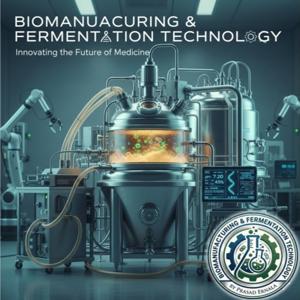

This Episode outlines a professional engineering framework for transitioning biocatalytic innovations from the laboratory to large-scale industrial production. It emphasizes a systematic route-selection process, requiring a strategic choice between cell-free and whole-cell methods based on factors like toxicity, cofactor regeneration, and purification needs. By establishing rigorous Key Performance Indicators (KPIs), such as space-time yield and enzyme turnover numbers, the framework ensures that biological processes meet the economic and regulatory standards of the pharma, feed, and energy sectors. The sources illustrate how integrating techno-economic assessments and life-cycle analyses allows manufacturers to replace traditional chemical synthesis with more sustainable, enzymatic alternatives. Ultimately, the guide asserts that commercial success depends on identifying and controlling operational failure modes early in the design phase.
 View all episodes
 By prasad ernala
This Episode outlines a professional engineering framework for transitioning biocatalytic innovations from the laboratory to large-scale industrial production. It emphasizes a systematic route-selection process, requiring a strategic choice between cell-free and whole-cell methods based on factors like toxicity, cofactor regeneration, and purification needs. By establishing rigorous Key Performance Indicators (KPIs), such as space-time yield and enzyme turnover numbers, the framework ensures that biological processes meet the economic and regulatory standards of the pharma, feed, and energy sectors. The sources illustrate how integrating techno-economic assessments and life-cycle analyses allows manufacturers to replace traditional chemical synthesis with more sustainable, enzymatic alternatives. Ultimately, the guide asserts that commercial success depends on identifying and controlling operational failure modes early in the design phase.