
Sign up to save your podcasts
Or

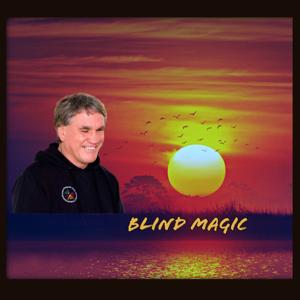

Episode 1473 of Blind Magic in Alice Springs finds host Murray Stewart reflecting candidly on fragility, recovery, and personal growth. Murray opens the episode under the weather after recent falls and head knocks, and links his own journey living with an acquired brain injury (ABI) and vision impairment to broader conversations about how life can change in an instant. He also references Damien Martin’s meningitis experience — including an induced coma — to underline how precious time and health are.
Topics covered include the practical and emotional effects of ABI and vision loss, how medication and brain changes have affected Murray’s temperament, and the safety steps he’s taking (including using a protective helmet and relying on a support worker). Murray explains how these challenges led him to reframe weaknesses as opportunities to learn new skills and become more considered, patient, and strategic in coaching and everyday interactions.
Key points in the episode: the importance of pausing rather than reacting in anger, allowing people (and yourself) time to process poor performances before constructive coaching conversations, how ABI has forced Murray to develop restraint and better listening skills, and the value of persistence — "keep keeping on" — in pursuing steady improvement despite setbacks. Murray shares practical takeaways about tempering immediate emotional responses, timing feedback for maximum learning, and viewing new struggles as chances to build strengths.
Guests and references: Murray speaks as the episode’s solo host and references Damien Martin’s recent health crisis and recovery as an illustrative example. No other guests appear, but the episode centers on personal anecdotes, coaching philosophy, and mental strategies for living well with disability and change.
Listeners can expect an honest, reflective conversation about resilience, the subtle benefits that can arise from life-altering injury, and actionable advice for coaches, carers, or anyone navigating their own recovery. Murray closes with an encouraging message: treat challenges as opportunities to grow and develop new skills, and keep moving forward.
 View all episodes
 By bridgeovermurray
Episode 1473 of Blind Magic in Alice Springs finds host Murray Stewart reflecting candidly on fragility, recovery, and personal growth. Murray opens the episode under the weather after recent falls and head knocks, and links his own journey living with an acquired brain injury (ABI) and vision impairment to broader conversations about how life can change in an instant. He also references Damien Martin’s meningitis experience — including an induced coma — to underline how precious time and health are.
Topics covered include the practical and emotional effects of ABI and vision loss, how medication and brain changes have affected Murray’s temperament, and the safety steps he’s taking (including using a protective helmet and relying on a support worker). Murray explains how these challenges led him to reframe weaknesses as opportunities to learn new skills and become more considered, patient, and strategic in coaching and everyday interactions.
Key points in the episode: the importance of pausing rather than reacting in anger, allowing people (and yourself) time to process poor performances before constructive coaching conversations, how ABI has forced Murray to develop restraint and better listening skills, and the value of persistence — "keep keeping on" — in pursuing steady improvement despite setbacks. Murray shares practical takeaways about tempering immediate emotional responses, timing feedback for maximum learning, and viewing new struggles as chances to build strengths.
Guests and references: Murray speaks as the episode’s solo host and references Damien Martin’s recent health crisis and recovery as an illustrative example. No other guests appear, but the episode centers on personal anecdotes, coaching philosophy, and mental strategies for living well with disability and change.
Listeners can expect an honest, reflective conversation about resilience, the subtle benefits that can arise from life-altering injury, and actionable advice for coaches, carers, or anyone navigating their own recovery. Murray closes with an encouraging message: treat challenges as opportunities to grow and develop new skills, and keep moving forward.