
Sign up to save your podcasts
Or


Can you retire at 62 with $800,000 saved?
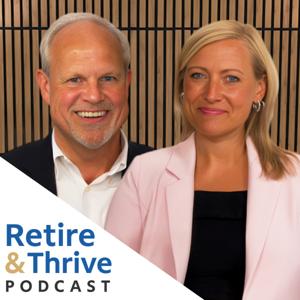
In this episode of Retire and Thrive, Kamie and Dan walk through common retirement questions that do not always have simple yes-or-no answers. From sustainable withdrawal rates to pension decisions, Social Security timing, spending confidence, and couples retiring at different times, this conversation focuses on the real-life decisions people face as retirement gets closer.
Dan explains why retirement is less about hitting one magic number and more about understanding cash flow, lifestyle, income sources, and long-term planning. He also discusses how retirees can think through pension lump sums versus monthly income, why some people struggle to spend even when they have saved well, and why planning in your late 50s is not too late.
In this episode:
00:00 Welcome to Retire and Thrive
00:06 Can you retire at 62 with $800,000?
01:41 Understanding sustainable withdrawal rates
03:05 Why retirement is a cash flow game
04:00 Pension lump sum vs. monthly pension income
06:26 What if you are scared to spend in retirement?
08:44 Is 58 too late to start retirement planning?
10:26 Social Security and pension decisions before retirement
12:02 What if one spouse wants to retire and the other does not?
14:36 Final thoughts on real retirement decisions
If you are approaching retirement and wondering whether your plan can support the life you want, this episode offers practical questions to consider before making major decisions.
Subscribe for more retirement planning conversations from Fortress Financial Group.
#RetirementPlanning #RetireAndThrive #FinancialPlanning
Fortress Financial Group LLC is a registered investment advisor. Advisory services are only offered to clients or prospective clients where Fortress and its representatives are properly licensed or exempt from licensure. The opinions voiced in this material are for general information only and are not intended to provide specific advice or recommendations for any individual. Investing involves risk
 View all episodes
 By Fortress Financial Group
Can you retire at 62 with $800,000 saved?
In this episode of Retire and Thrive, Kamie and Dan walk through common retirement questions that do not always have simple yes-or-no answers. From sustainable withdrawal rates to pension decisions, Social Security timing, spending confidence, and couples retiring at different times, this conversation focuses on the real-life decisions people face as retirement gets closer.
Dan explains why retirement is less about hitting one magic number and more about understanding cash flow, lifestyle, income sources, and long-term planning. He also discusses how retirees can think through pension lump sums versus monthly income, why some people struggle to spend even when they have saved well, and why planning in your late 50s is not too late.
In this episode:
00:00 Welcome to Retire and Thrive
00:06 Can you retire at 62 with $800,000?
01:41 Understanding sustainable withdrawal rates
03:05 Why retirement is a cash flow game
04:00 Pension lump sum vs. monthly pension income
06:26 What if you are scared to spend in retirement?
08:44 Is 58 too late to start retirement planning?
10:26 Social Security and pension decisions before retirement
12:02 What if one spouse wants to retire and the other does not?
14:36 Final thoughts on real retirement decisions
If you are approaching retirement and wondering whether your plan can support the life you want, this episode offers practical questions to consider before making major decisions.
Subscribe for more retirement planning conversations from Fortress Financial Group.
#RetirementPlanning #RetireAndThrive #FinancialPlanning
Fortress Financial Group LLC is a registered investment advisor. Advisory services are only offered to clients or prospective clients where Fortress and its representatives are properly licensed or exempt from licensure. The opinions voiced in this material are for general information only and are not intended to provide specific advice or recommendations for any individual. Investing involves risk