
Sign up to save your podcasts
Or

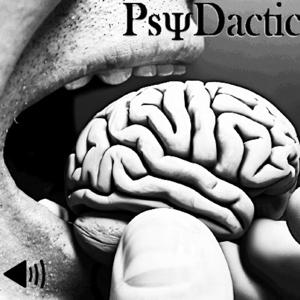

Stupor, Mutism, and Negativism on the surface appear to have some overlapping features. Of all the features of catatonia that non-experts might be able to describe, stupor and mutism are like the ones. They are also the most common signs. A patient is not entirely unconscious, but they don’t move, they stare forward, they don’t talk, and they don’t follow commands.
Please leave feedback at https://www.psydactic.com or send any comments to [email protected].
References and readings (when available) are posted at the end of each episode transcript, located at psydactic.buzzsprout.com. All opinions expressed in this podcast are exclusively those of the person speaking and should not be confused with the opinions of anyone else. We reserve the right to be wrong. Nothing in this podcast should be treated as individual medical advice.
 View all episodes
 By T. Ryan O'Leary
5
55 ratings
Stupor, Mutism, and Negativism on the surface appear to have some overlapping features. Of all the features of catatonia that non-experts might be able to describe, stupor and mutism are like the ones. They are also the most common signs. A patient is not entirely unconscious, but they don’t move, they stare forward, they don’t talk, and they don’t follow commands.
Please leave feedback at https://www.psydactic.com or send any comments to [email protected].
References and readings (when available) are posted at the end of each episode transcript, located at psydactic.buzzsprout.com. All opinions expressed in this podcast are exclusively those of the person speaking and should not be confused with the opinions of anyone else. We reserve the right to be wrong. Nothing in this podcast should be treated as individual medical advice.

143 Listeners

112,192 Listeners

156 Listeners
1,345 Listeners

553 Listeners
199 Listeners
155 Listeners