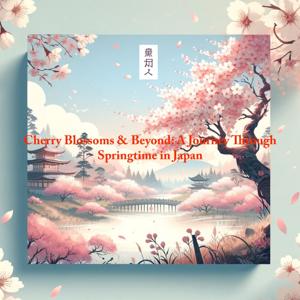
Cherry blossoms, known as sakura in Japan, are the delicate and fleeting flowers of cherry trees that have captured the hearts and imaginations of people around the world for centuries. These beautiful blossoms have a rich history and cultural significance, particularly in Japan and the United States, where they have become symbols of beauty, renewal, and the ephemeral nature of life. In this extensive article, we will delve into the origins of cherry blossoms, their cultural importance in Japan, their symbolism, their presence in the United States, their influence on art and literature, their impact on tourism, and the challenges they face due to climate change.
Chapter 1: The Origins and History of Cherry Blossoms The story of cherry blossoms begins in ancient China, where they were first cultivated and celebrated for their beauty and delicate nature. The earliest recorded mention of cherry blossoms in Chinese literature dates back to the 3rd century BCE, during the Han Dynasty. The Chinese were so enamored with cherry blossoms that they began to cultivate them in their gardens and wrote poems and songs in their honor.
From China, the tradition of cherry blossom appreciation spread to other parts of Asia, including Japan and Korea. In Japan, cherry blossoms have been celebrated for over a thousand years, with the first recorded hanami (cherry blossom viewing) party taking place in the year 812 CE, during the reign of Emperor Saga.
During the Heian Period (794-1185 CE), hanami became a popular pastime among the Japanese aristocracy, who would gather beneath the blooming cherry trees to enjoy picnics, music, and poetry. The custom of hanami continued to evolve over the centuries, with different varieties of cherry trees being cultivated for their unique characteristics and symbolic meanings.
One of the most famous cherry blossom viewing spots in Japan is the Philosopher's Path in Kyoto, a scenic walkway lined with hundreds of cherry trees. The path gets its name from the 20th-century philosopher Nishida Kitaro, who is said to have walked the path daily while contemplating his ideas.
Chapter 2: Cherry Blossoms in Japanese Culture In Japan, cherry blossoms are deeply ingrained in the country's culture, aesthetics, and national identity. The Japanese have a term for the appreciation of cherry blossoms: mono no aware, which roughly translates to "the pathos of things." This concept encapsulates the bittersweet realization that all things, including the beauty of cherry blossoms, are fleeting and impermanent.
The ephemeral nature of cherry blossoms has made them a potent symbol in Japanese art, literature, and philosophy. In the 11th-century Japanese classic, "The Tale of Genji," cherry blossoms are used as a metaphor for the transient nature of life and love. The tale's protagonist, Genji, compares the women in his life to cherry blossoms, noting their beauty and the inevitability of their falling.
In Japanese poetry, cherry blossoms are a com
This content was created in partnership and with the help of Artificial Intelligence AI.



 View all episodes
