
Sign up to save your podcasts
Or

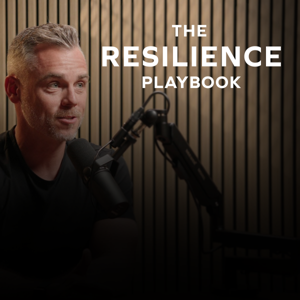

At 19 years old, Chris Waddell was a promising ski racer at Middlebury College when a freak accident during training left him paralyzed. His ski popped off mid-turn, and in that moment, everything changed. But what happened next wasn't a story of accepting limits—it was a story of refusing to let anyone define what recovery could mean. In this conversation, Chris walks through the decision his parents made to never tell him he'd never walk again—and how that choice shaped everything. He shares what it took to become the fastest mono skier in the world despite competing against athletes with physical advantages, why his Mount Kilimanjaro climb taught him more about failure than success, and what happens when you realize that your definition of winning might be too small. This isn't a highlight reel. It's a conversation about what it actually costs to rebuild your identity after everything you thought you were gets taken away. ⸻ IN THIS EPISODE • A ski popped off at 19 years old—and the moment that split Chris's life into before and after • Why his parents chose not to tell him he'd never walk again—and how that decision shaped his recovery • Learning to mono ski with parents who'd never seen the equipment—rebuilding identity through the sport that almost took everything • Becoming the fastest mono skier in the world at Lillehammer despite competing at a physical disadvantage • The Mount Kilimanjaro climb: what happens when 100 feet of failure redefines what success actually means • Vulnerability as strength—why the hardest part of the climb became the most important story to tell • What resilience actually looks like when you don't know what's coming next ⸻ 00:00:00 Welcome and Introduction to Chris Waddell
 View all episodes
 By Cole Rodgers
At 19 years old, Chris Waddell was a promising ski racer at Middlebury College when a freak accident during training left him paralyzed. His ski popped off mid-turn, and in that moment, everything changed. But what happened next wasn't a story of accepting limits—it was a story of refusing to let anyone define what recovery could mean. In this conversation, Chris walks through the decision his parents made to never tell him he'd never walk again—and how that choice shaped everything. He shares what it took to become the fastest mono skier in the world despite competing against athletes with physical advantages, why his Mount Kilimanjaro climb taught him more about failure than success, and what happens when you realize that your definition of winning might be too small. This isn't a highlight reel. It's a conversation about what it actually costs to rebuild your identity after everything you thought you were gets taken away. ⸻ IN THIS EPISODE • A ski popped off at 19 years old—and the moment that split Chris's life into before and after • Why his parents chose not to tell him he'd never walk again—and how that decision shaped his recovery • Learning to mono ski with parents who'd never seen the equipment—rebuilding identity through the sport that almost took everything • Becoming the fastest mono skier in the world at Lillehammer despite competing at a physical disadvantage • The Mount Kilimanjaro climb: what happens when 100 feet of failure redefines what success actually means • Vulnerability as strength—why the hardest part of the climb became the most important story to tell • What resilience actually looks like when you don't know what's coming next ⸻ 00:00:00 Welcome and Introduction to Chris Waddell