
Sign up to save your podcasts
Or

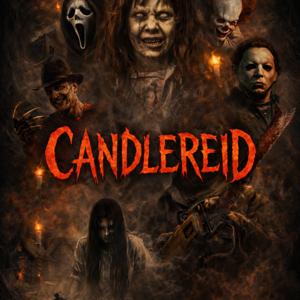

Some horror movies feel like home.
You’ve seen them a dozen times. You know the score. You know when the killer appears in the background. The tension doesn’t control you anymore — it comforts you.
And then there are the others.
The ones that sit heavy in your chest after the credits roll. The ones you respect… but never want to experience again.
In this episode of Candlereid, we dive into the psychology behind Comfort Horror vs Disturbing Horror. Why does something like Halloween feel nostalgic and rewatchable, while films like Hereditary or Martyrs leave us emotionally drained?
We break down:
Why familiarity makes fear feel safe
How nostalgia rewires horror in our brains
The emotional cruelty that separates disturbing films from fun ones
And why we need both kinds of horror in our lives
This isn’t about what’s scarier.
It’s about how horror makes us feel when the screen goes dark.
Do you return to the comfort…
Or do you chase the damage?
Light the candle. Let’s talk.
 View all episodes
 By Reid
Some horror movies feel like home.
You’ve seen them a dozen times. You know the score. You know when the killer appears in the background. The tension doesn’t control you anymore — it comforts you.
And then there are the others.
The ones that sit heavy in your chest after the credits roll. The ones you respect… but never want to experience again.
In this episode of Candlereid, we dive into the psychology behind Comfort Horror vs Disturbing Horror. Why does something like Halloween feel nostalgic and rewatchable, while films like Hereditary or Martyrs leave us emotionally drained?
We break down:
Why familiarity makes fear feel safe
How nostalgia rewires horror in our brains
The emotional cruelty that separates disturbing films from fun ones
And why we need both kinds of horror in our lives
This isn’t about what’s scarier.
It’s about how horror makes us feel when the screen goes dark.
Do you return to the comfort…
Or do you chase the damage?
Light the candle. Let’s talk.