
Sign up to save your podcasts
Or

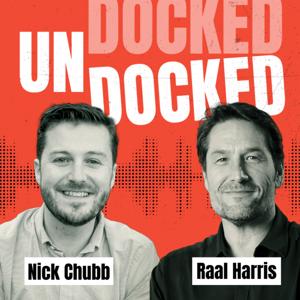

This week, Nick and Raal explore two new research reports examining the gap between maritime systems as they're designed and how they're actually used at sea. They discuss cognitive overload on modern bridges, alarm fatigue, shortcomings in competence-based training, and why culture, leadership, and teamwork matter far more than compliance alone.
CHAPTERS
The episode opens with another round of senior leadership changes across container shipping before turning to two new research reports examining one of maritime's most persistent problems: the gap between how systems are designed and how ships actually operate.
Nick shares findings from primary research with serving seafarers, masters and fleet managers, revealing how disconnected bridge systems increasingly rely on humans to act as the interface between technologies. The discussion explores cognitive overload, alarm fatigue and why bridge teams are often managing software rather than navigation during periods of highest risk.
The conversation then shifts to competence. The research suggests today's compliance-focused training is increasingly detached from operational reality, with situational awareness, decision-making under pressure and teamwork emerging as the industry's biggest capability gaps. Nick and Raal argue that leadership, culture and effective familiarisation have a greater influence on operational performance than certificates alone.
Read the Thetius report here: https://thetius.com/competent-or-compliant-seafarer-readiness-in-modern-maritime-operations/
EPISODE PARTNER
This episode of UnDocked is brought to you by KVH.
From commercial shipping to offshore and government fleets, KVH enables consistent, high-performance connectivity across every environment. Their integrated approach means hardware, airtime, and network management all work together seamlessly.
Learn more at kvh.com
 View all episodes
 By Raal Harris and Nick Chubb
This week, Nick and Raal explore two new research reports examining the gap between maritime systems as they're designed and how they're actually used at sea. They discuss cognitive overload on modern bridges, alarm fatigue, shortcomings in competence-based training, and why culture, leadership, and teamwork matter far more than compliance alone.
CHAPTERS
The episode opens with another round of senior leadership changes across container shipping before turning to two new research reports examining one of maritime's most persistent problems: the gap between how systems are designed and how ships actually operate.
Nick shares findings from primary research with serving seafarers, masters and fleet managers, revealing how disconnected bridge systems increasingly rely on humans to act as the interface between technologies. The discussion explores cognitive overload, alarm fatigue and why bridge teams are often managing software rather than navigation during periods of highest risk.
The conversation then shifts to competence. The research suggests today's compliance-focused training is increasingly detached from operational reality, with situational awareness, decision-making under pressure and teamwork emerging as the industry's biggest capability gaps. Nick and Raal argue that leadership, culture and effective familiarisation have a greater influence on operational performance than certificates alone.
Read the Thetius report here: https://thetius.com/competent-or-compliant-seafarer-readiness-in-modern-maritime-operations/
EPISODE PARTNER
This episode of UnDocked is brought to you by KVH.
From commercial shipping to offshore and government fleets, KVH enables consistent, high-performance connectivity across every environment. Their integrated approach means hardware, airtime, and network management all work together seamlessly.
Learn more at kvh.com