
Sign up to save your podcasts
Or

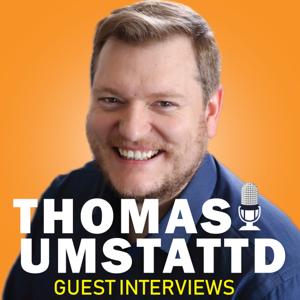

Jami Albright and Sara Rosett had me on the Wish I’d Known Then podcast.
If you’ve ever felt overwhelmed by the rapid changes in the publishing world especially regarding Artificial Intelligence you are not alone. In a recent episode of the Wish I’d Known Then podcast, we talked about everything from the importance of physical health to the specific AI tools that can save you hours of work.
Here is an episode summary generated by Gemini 3 Pro:
Thomas kicked things off by discussing his upcoming Novel Marketing Conference, which stands out in a sea of writer events for one specific reason: no recordings.
Unlike many conferences where sessions are recorded for later viewing, Thomas designed this event to be fully immersive and interactive. He describes it as “almost more of a workshop than a conference,” where attendees work in small “writer’s groups” and leave with a physical, actionable plan for selling more books in the coming year. The goal is to create a space for honest, unrecorded conversation and deep work, rather than just passive listening.
One of the more surprising but vital topics discussed was the role of physical health in an author’s career. Thomas shared his personal journey of prioritizing health, noting that “your body is the machine that your brain lives in”.
He pointed out that many authors try to optimize their time but neglect their energy levels. You might carve out an hour to write, but if you are exhausted or brain-fogged, that hour won’t be productive. By treating health as a business asset, authors can improve not just their longevity but the quality of their creative output.
The centerpiece of the conversation was AI. Thomas offered a refreshing, balanced perspective that avoids both the “doom and gloom” and the “blind hype” often seen online. He noted that people tend to oscillate between thinking AI is “the end of humanity” or that it “creates nothing but slop”.
His philosophy is simple: Don’t give AI the work you enjoy; give it the drudgery.
For authors looking to speed up their drafting or note-taking, Thomas shared a specific workflow he uses to capture ideas while on the go:
This stack allows him to dictate high-quality content while walking or driving, turning “dead time” into productive writing time.
Thomas has developed a suite of tools specifically for writers, available at AuthorMedia.com. Some of the standout tools mentioned include:
These tools are designed to work within “guardrails,” using pre-written prompts to ensure the AI gives you exactly what you need without requiring you to become a “prompt engineering” expert.
A crucial insight Thomas shared is the shift from optimizing for search engines (SEO) to optimizing for AI.
In the past, authors focused on getting their websites to rank on Google. Today, readers are increasingly asking tools like ChatGPT for book recommendations. Thomas explained that these AI models “read” the internet, including sites like Goodreads and Amazon. To ensure your book is recommended, you need to provide content that helps the AI understand who your book is for.
He suggested adding “Director’s Commentary” or “Behind the Scenes” content to your book pages on your own website. This unique content differentiates your site from Amazon and gives the AI more context to recommend your book to the right readers.
Finally, the group discussed the challenge of having too much to do. Thomas introduced a framework he used in a mastermind group to decide what tasks to cut. He lists all his activities in a spreadsheet with three columns:
By scoring activities on these metrics, it becomes clear which ones should be “sunsetted” or pruned. Just as the Texas legislature creates agencies with an expiration date (“sunsetting”), authors should regularly review their commitments and kill off the ones that are difficult, joyless, and unprofitable.
This episode was a reminder that while technology changes, the core needs of an author—health, focus, and connection with readers—remain the same. Whether you are using AI to write blurbs or auditing your schedule to find more joy, the goal is to build a sustainable and fulfilling writing career.
For more from Thomas, you can check out the Novel Marketing Podcast or visit AuthorMedia.com to access the tools mentioned in this post.
 View all episodes
 By Thomas Umstattd Jr.
Jami Albright and Sara Rosett had me on the Wish I’d Known Then podcast.
If you’ve ever felt overwhelmed by the rapid changes in the publishing world especially regarding Artificial Intelligence you are not alone. In a recent episode of the Wish I’d Known Then podcast, we talked about everything from the importance of physical health to the specific AI tools that can save you hours of work.
Here is an episode summary generated by Gemini 3 Pro:
Thomas kicked things off by discussing his upcoming Novel Marketing Conference, which stands out in a sea of writer events for one specific reason: no recordings.
Unlike many conferences where sessions are recorded for later viewing, Thomas designed this event to be fully immersive and interactive. He describes it as “almost more of a workshop than a conference,” where attendees work in small “writer’s groups” and leave with a physical, actionable plan for selling more books in the coming year. The goal is to create a space for honest, unrecorded conversation and deep work, rather than just passive listening.
One of the more surprising but vital topics discussed was the role of physical health in an author’s career. Thomas shared his personal journey of prioritizing health, noting that “your body is the machine that your brain lives in”.
He pointed out that many authors try to optimize their time but neglect their energy levels. You might carve out an hour to write, but if you are exhausted or brain-fogged, that hour won’t be productive. By treating health as a business asset, authors can improve not just their longevity but the quality of their creative output.
The centerpiece of the conversation was AI. Thomas offered a refreshing, balanced perspective that avoids both the “doom and gloom” and the “blind hype” often seen online. He noted that people tend to oscillate between thinking AI is “the end of humanity” or that it “creates nothing but slop”.
His philosophy is simple: Don’t give AI the work you enjoy; give it the drudgery.
For authors looking to speed up their drafting or note-taking, Thomas shared a specific workflow he uses to capture ideas while on the go:
This stack allows him to dictate high-quality content while walking or driving, turning “dead time” into productive writing time.
Thomas has developed a suite of tools specifically for writers, available at AuthorMedia.com. Some of the standout tools mentioned include:
These tools are designed to work within “guardrails,” using pre-written prompts to ensure the AI gives you exactly what you need without requiring you to become a “prompt engineering” expert.
A crucial insight Thomas shared is the shift from optimizing for search engines (SEO) to optimizing for AI.
In the past, authors focused on getting their websites to rank on Google. Today, readers are increasingly asking tools like ChatGPT for book recommendations. Thomas explained that these AI models “read” the internet, including sites like Goodreads and Amazon. To ensure your book is recommended, you need to provide content that helps the AI understand who your book is for.
He suggested adding “Director’s Commentary” or “Behind the Scenes” content to your book pages on your own website. This unique content differentiates your site from Amazon and gives the AI more context to recommend your book to the right readers.
Finally, the group discussed the challenge of having too much to do. Thomas introduced a framework he used in a mastermind group to decide what tasks to cut. He lists all his activities in a spreadsheet with three columns:
By scoring activities on these metrics, it becomes clear which ones should be “sunsetted” or pruned. Just as the Texas legislature creates agencies with an expiration date (“sunsetting”), authors should regularly review their commitments and kill off the ones that are difficult, joyless, and unprofitable.
This episode was a reminder that while technology changes, the core needs of an author—health, focus, and connection with readers—remain the same. Whether you are using AI to write blurbs or auditing your schedule to find more joy, the goal is to build a sustainable and fulfilling writing career.
For more from Thomas, you can check out the Novel Marketing Podcast or visit AuthorMedia.com to access the tools mentioned in this post.