
Sign up to save your podcasts
Or

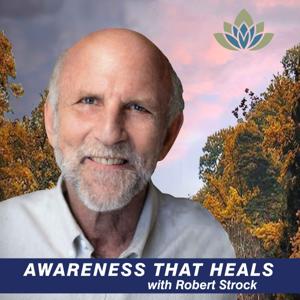

Host Robert Strock digs deeper into developing self-acceptance and balance as we continue on a journey through challenging feelings. Misconceptions about self-acceptance can lead to causing undue harm to others, especially when dealing with anger. However, true self-acceptance comes when we express ourselves with sensitivity, thoughtfulness, and honesty. Part of self-acceptance means saying yes to negative emotions, embracing them, and tolerating them without hurting others. When you accept these difficult feelings, you can heal them. Do you accept yourself when you feel fear, anxiety, or anger? When we have feelings that we don't want to feel, we can look inside ourselves and ask questions to make sure we're caring for ourselves in the process of overcoming the unwanted feelings.
Children often better understand the difference between being kind to others and being kind to themselves. We have to learn to recognize areas of weakness versus areas of compulsion by asking what feelings I am aware of and want to change versus those I don't feel like changing. This process requires developing balance between accepting ourselves and working toward developing into a self-compassionate and compassionate person.
Read the transcription and listen to this episode at Awareness That Heals.
 View all episodes
 By Robert J Strock

4.9
4545 ratings
Host Robert Strock digs deeper into developing self-acceptance and balance as we continue on a journey through challenging feelings. Misconceptions about self-acceptance can lead to causing undue harm to others, especially when dealing with anger. However, true self-acceptance comes when we express ourselves with sensitivity, thoughtfulness, and honesty. Part of self-acceptance means saying yes to negative emotions, embracing them, and tolerating them without hurting others. When you accept these difficult feelings, you can heal them. Do you accept yourself when you feel fear, anxiety, or anger? When we have feelings that we don't want to feel, we can look inside ourselves and ask questions to make sure we're caring for ourselves in the process of overcoming the unwanted feelings.
Children often better understand the difference between being kind to others and being kind to themselves. We have to learn to recognize areas of weakness versus areas of compulsion by asking what feelings I am aware of and want to change versus those I don't feel like changing. This process requires developing balance between accepting ourselves and working toward developing into a self-compassionate and compassionate person.
Read the transcription and listen to this episode at Awareness That Heals.