
Sign up to save your podcasts
Or

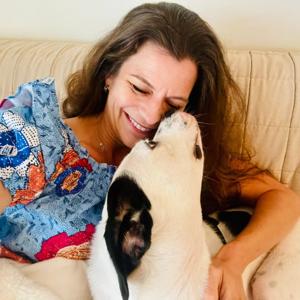

In this episode of Dog Fostering 101, host Jackie Adams sits down with Kristen Hasson, founder of Outcomes for Pets Consulting, to pull back the curtain on the national animal sheltering landscape. Kristen, a nationally respected leader in animal welfare, explains why the "old reactive pound" model is struggling to meet modern needs and why a shift toward foster-centric systems is the only way forward.
The conversation explores the historical roots of sheltering—tracing it back to rabies control—and how those origins still create barriers for lifesaving work today. Kristen provides data-driven insights into which animals benefit most from foster care, the true cost of housing an animal in a shelter versus a home, and how we can "democratize" animal welfare by lowering barriers for everyday people who want to help. Whether you are a first-time foster or a seasoned rescuer, this episode offers a compelling look at how individual actions create a massive "two-for-one" impact on animal lives.
Key Takeaways
The Current Landscape: National intake numbers have returned to 2019 levels, but animals are staying in shelters longer, leading to increased stress and trauma.
The "Big Dog" Bottleneck: Dogs over 20–30 lbs (typically 40–70 lbs) are staying the longest due to housing restrictions and economic uncertainty.
Historical Context: Many modern shelter policies are still built on the "quarantine and destroy" logic of early 20th-century rabies control rather than adoption outcomes.
The Two-for-One Impact: Every time you foster, you save two lives: the animal in your home and the next animal that can now occupy that vacated shelter kennel.
The Future of Fostering: Kristen introduces the concept of "micro-sheltering," where committed individuals move animals through their homes with the support of a larger system.
Resources Mentioned
Outcomes for Pets Consulting: OutcomesforPets.com (Resources for fosters, volunteers, and organizations).
Lifeline Animal Project: A leader in large-scale fostering in the Atlanta metro area.
Kristen Hasson on LinkedIn: Follow for regular insights on animal welfare trends.
00:00 - Introduction to Kristen Hasson and Dog Fostering 101
01:08 - National trends: Why animals are staying in shelters longer
02:21 - The big dog bottleneck: Which animals benefit most from foster
04:35 - Why foster programs are often under-resourced compared to shelters
05:48 - Success metrics for a foster-centric shift 07:16 - The cost of care: $100/day in-shelter vs. near zero in foster
08:38 - Capacity building: Viewing foster homes as "extra kennels"
10:32 - Comparing animal welfare to the child foster care system
11:48 - The "Rabies" history: Why the old pound model is hard to break
15:07 - Lessons from the pandemic: The proof that homes are available
17:16 - The "Two-for-One" impact: Saving the animal and the kennel
18:03 - The concept of "micro-sheltering"
21:50 - Lowering barriers and finding the right organization to work with
23:25 - Where to follow Kristen Hasson and find resources
 View all episodes
 By Jackie Adams
In this episode of Dog Fostering 101, host Jackie Adams sits down with Kristen Hasson, founder of Outcomes for Pets Consulting, to pull back the curtain on the national animal sheltering landscape. Kristen, a nationally respected leader in animal welfare, explains why the "old reactive pound" model is struggling to meet modern needs and why a shift toward foster-centric systems is the only way forward.
The conversation explores the historical roots of sheltering—tracing it back to rabies control—and how those origins still create barriers for lifesaving work today. Kristen provides data-driven insights into which animals benefit most from foster care, the true cost of housing an animal in a shelter versus a home, and how we can "democratize" animal welfare by lowering barriers for everyday people who want to help. Whether you are a first-time foster or a seasoned rescuer, this episode offers a compelling look at how individual actions create a massive "two-for-one" impact on animal lives.
Key Takeaways
The Current Landscape: National intake numbers have returned to 2019 levels, but animals are staying in shelters longer, leading to increased stress and trauma.
The "Big Dog" Bottleneck: Dogs over 20–30 lbs (typically 40–70 lbs) are staying the longest due to housing restrictions and economic uncertainty.
Historical Context: Many modern shelter policies are still built on the "quarantine and destroy" logic of early 20th-century rabies control rather than adoption outcomes.
The Two-for-One Impact: Every time you foster, you save two lives: the animal in your home and the next animal that can now occupy that vacated shelter kennel.
The Future of Fostering: Kristen introduces the concept of "micro-sheltering," where committed individuals move animals through their homes with the support of a larger system.
Resources Mentioned
Outcomes for Pets Consulting: OutcomesforPets.com (Resources for fosters, volunteers, and organizations).
Lifeline Animal Project: A leader in large-scale fostering in the Atlanta metro area.
Kristen Hasson on LinkedIn: Follow for regular insights on animal welfare trends.
00:00 - Introduction to Kristen Hasson and Dog Fostering 101
01:08 - National trends: Why animals are staying in shelters longer
02:21 - The big dog bottleneck: Which animals benefit most from foster
04:35 - Why foster programs are often under-resourced compared to shelters
05:48 - Success metrics for a foster-centric shift 07:16 - The cost of care: $100/day in-shelter vs. near zero in foster
08:38 - Capacity building: Viewing foster homes as "extra kennels"
10:32 - Comparing animal welfare to the child foster care system
11:48 - The "Rabies" history: Why the old pound model is hard to break
15:07 - Lessons from the pandemic: The proof that homes are available
17:16 - The "Two-for-One" impact: Saving the animal and the kennel
18:03 - The concept of "micro-sheltering"
21:50 - Lowering barriers and finding the right organization to work with
23:25 - Where to follow Kristen Hasson and find resources