
Sign up to save your podcasts
Or

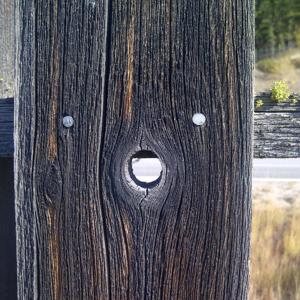

There’s a moment of weightless limbo when you move from one state to another, liquid to gaseous, for example.
Or from independent adult to fatherless child. That moment came for me last Wednesday at 11:35 a.m. when my father died. You might be taking exception to my framing his death as my loss, my experience, but how else to understand the event except through my eyes, brain and heart? Even a recounting of the facts of his life are framed through the lens of how we understood them, how we heard about them in the first place, and in subsequent tellings, so I’ll do my best to be accurate. My brother Jan is the family historian, and I am relying on his compilation for details.
My dad, George Piros, was both a fighter and a lover and he would be mightily embarrassed at both descriptors. If you’d asked him, he might have said, “father, husband, engineer, patriot”. And he was also all those things.
Let’s talk about the lover first.
* Dad loved his country.
When he was 10 years old, Nazi Germany had invaded and occupied Poland. He and his fellow boy scouts smuggled packages of medical supplies from the German hospital where his father, a doctor, worked and delivered them to secret underground Polish clinics. Under the guise of playing stick ball and tag he and his friends kept track of the movements of German soldiers and officers for the Polish underground. At a visit to the Uprising Museum in Warsaw, dad took me into a unrealistically clean replica of the sewer tunnels the underground used to move throughout the city and noted how they would chalk the words, niemcy tu on locations where Nazis were stationed on the street above.
When the Warsaw Uprising erupted on August 1st, 1944, Dad joined the Konrad Group, Platoon 105, made up of kids 13 to 16 years old. Over the years Dad told us many stories: being used as part of a human shield in front of Panzer tanks, delivering messages between streets behind barricades and through sewer tunnels. He remembered how in the early days of the Uprising, he and his friends thrilled to the role of boy soldiers and how, by the last days, those that were left were numbed to the violence and simply trying to stay alive.
As the uprising came to end, he reunited with his father, uncle, mother and sister in an insurgent hospital in one of the last pockets of Polish resistance. Within days his father, uncle, and best friend were killed and he was shipped off to a forced labour camp in Hamburg.
In Hamburg Dad was part of a group whose responsibility was to dig up and cut power lines into buildings which were on fire and damaged after Allied bombing raids. During one of these times the power was still live, and his saw exploded and blinded him for two weeks. He was 16.
During his imprisonment he contracted TB and nearly died. On May 5th a reconnaissance unit of a US armored division liberated his camp, and although Dad was not allowed to go east into the Soviet controlled area, he kept trying and eventually made his way to Warsaw where he found the city had been reduced to rubble with notes attached to posts all over, letting family members know who was where.
* Dad loved his family.
He made every effort to support his surviving family, notably his mother and older sister and all his life was grateful for what he saw as their sacrifice which allowed him to study engineering at the Warsaw Polytechnic.
Dad married mom, Ewa, in 1954, in a bombed out church with no roof and, by the time they received permission to leave Poland and come to Canada, they had two children with two more born in Regina.
All our lives Dad was a firm proponent of education and he pushed us hard to study and pursue a career. At first he thought my interest in journalism was a little flaky (having grown up with Soviet controlled propaganda) and encouraged me to become a translator at the UN.
He is survived by mom and by 50 kids, grandkids and great-grandkids.
* Dad loved his work.
Although it wasn’t easy to be an immigrant, ESL engineer at Cominco where UK born engineers were the dominant force, he persevered and when his work overlapped with travel (which he also loved), he was in heaven. The job took him to Alaska, all over Canada’s north, to Greenland and a five year stint in Madrid. He used that posting to drive a jam packed Renault all over Spain, and up into France, Germany and Poland. When asked by a colleague at an event in Germany, why his German was so fluent, dad replied, “I was a guest of your government”.
* Dad loved hockey, especially, and inexplicably, the Habs as well as the Rossland Warriors. He loved to ski, hike and travel the world.
* Dad was a fighter too.
As already described, he fought for his country as a kid during the Warsaw occupation and uprising. He fought to survive the German prison camp. He fought to make a life in Canada despite having no money and knowing no English. He fought debt from an ill-advised mortgage on his first house in Saskatchewan and he fought to make a name for himself in his chosen career at Cominco (now Teck).
He fought the onset of aging and insisted on remaining independent, for better and worse. After his accident in August, he fought to recover his physical strength but this was a fight he couldn’t win. At 95 it was simply too much for even this fighter.
While we know his life was long, even by today’s standards, and that he lived that long despite the early assaults and privations of his wartime life, that moment when he passed still came as a gut punch.
I know we, the immediate family, are not the only ones who will miss him. As they say in Polish, szerokie drogi. It’s a blessing, of sorts, which means “wide roads”, particularly apt for this travelling man.
The musical selection threatens to do me in so here it is with no introduction.
Talking With Friends, Sharing the Load is a reader-supported publication. To receive new posts and support my work, consider becoming a free or paid subscriber.
 View all episodes
 By Joanna Piros
There’s a moment of weightless limbo when you move from one state to another, liquid to gaseous, for example.
Or from independent adult to fatherless child. That moment came for me last Wednesday at 11:35 a.m. when my father died. You might be taking exception to my framing his death as my loss, my experience, but how else to understand the event except through my eyes, brain and heart? Even a recounting of the facts of his life are framed through the lens of how we understood them, how we heard about them in the first place, and in subsequent tellings, so I’ll do my best to be accurate. My brother Jan is the family historian, and I am relying on his compilation for details.
My dad, George Piros, was both a fighter and a lover and he would be mightily embarrassed at both descriptors. If you’d asked him, he might have said, “father, husband, engineer, patriot”. And he was also all those things.
Let’s talk about the lover first.
* Dad loved his country.
When he was 10 years old, Nazi Germany had invaded and occupied Poland. He and his fellow boy scouts smuggled packages of medical supplies from the German hospital where his father, a doctor, worked and delivered them to secret underground Polish clinics. Under the guise of playing stick ball and tag he and his friends kept track of the movements of German soldiers and officers for the Polish underground. At a visit to the Uprising Museum in Warsaw, dad took me into a unrealistically clean replica of the sewer tunnels the underground used to move throughout the city and noted how they would chalk the words, niemcy tu on locations where Nazis were stationed on the street above.
When the Warsaw Uprising erupted on August 1st, 1944, Dad joined the Konrad Group, Platoon 105, made up of kids 13 to 16 years old. Over the years Dad told us many stories: being used as part of a human shield in front of Panzer tanks, delivering messages between streets behind barricades and through sewer tunnels. He remembered how in the early days of the Uprising, he and his friends thrilled to the role of boy soldiers and how, by the last days, those that were left were numbed to the violence and simply trying to stay alive.
As the uprising came to end, he reunited with his father, uncle, mother and sister in an insurgent hospital in one of the last pockets of Polish resistance. Within days his father, uncle, and best friend were killed and he was shipped off to a forced labour camp in Hamburg.
In Hamburg Dad was part of a group whose responsibility was to dig up and cut power lines into buildings which were on fire and damaged after Allied bombing raids. During one of these times the power was still live, and his saw exploded and blinded him for two weeks. He was 16.
During his imprisonment he contracted TB and nearly died. On May 5th a reconnaissance unit of a US armored division liberated his camp, and although Dad was not allowed to go east into the Soviet controlled area, he kept trying and eventually made his way to Warsaw where he found the city had been reduced to rubble with notes attached to posts all over, letting family members know who was where.
* Dad loved his family.
He made every effort to support his surviving family, notably his mother and older sister and all his life was grateful for what he saw as their sacrifice which allowed him to study engineering at the Warsaw Polytechnic.
Dad married mom, Ewa, in 1954, in a bombed out church with no roof and, by the time they received permission to leave Poland and come to Canada, they had two children with two more born in Regina.
All our lives Dad was a firm proponent of education and he pushed us hard to study and pursue a career. At first he thought my interest in journalism was a little flaky (having grown up with Soviet controlled propaganda) and encouraged me to become a translator at the UN.
He is survived by mom and by 50 kids, grandkids and great-grandkids.
* Dad loved his work.
Although it wasn’t easy to be an immigrant, ESL engineer at Cominco where UK born engineers were the dominant force, he persevered and when his work overlapped with travel (which he also loved), he was in heaven. The job took him to Alaska, all over Canada’s north, to Greenland and a five year stint in Madrid. He used that posting to drive a jam packed Renault all over Spain, and up into France, Germany and Poland. When asked by a colleague at an event in Germany, why his German was so fluent, dad replied, “I was a guest of your government”.
* Dad loved hockey, especially, and inexplicably, the Habs as well as the Rossland Warriors. He loved to ski, hike and travel the world.
* Dad was a fighter too.
As already described, he fought for his country as a kid during the Warsaw occupation and uprising. He fought to survive the German prison camp. He fought to make a life in Canada despite having no money and knowing no English. He fought debt from an ill-advised mortgage on his first house in Saskatchewan and he fought to make a name for himself in his chosen career at Cominco (now Teck).
He fought the onset of aging and insisted on remaining independent, for better and worse. After his accident in August, he fought to recover his physical strength but this was a fight he couldn’t win. At 95 it was simply too much for even this fighter.
While we know his life was long, even by today’s standards, and that he lived that long despite the early assaults and privations of his wartime life, that moment when he passed still came as a gut punch.
I know we, the immediate family, are not the only ones who will miss him. As they say in Polish, szerokie drogi. It’s a blessing, of sorts, which means “wide roads”, particularly apt for this travelling man.
The musical selection threatens to do me in so here it is with no introduction.
Talking With Friends, Sharing the Load is a reader-supported publication. To receive new posts and support my work, consider becoming a free or paid subscriber.