
Sign up to save your podcasts
Or

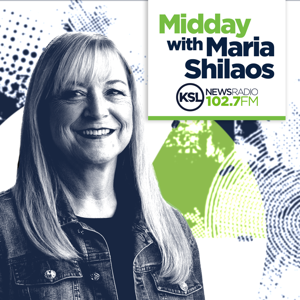

President Trump isn't too happy with a decision from the United States Supreme Court today that struck down the sweeping tariffs imposed by the President last year. By a vote of 6 to 3, the justices ruled that President Trump's use of a national emergencies act to impose flat tariffs was not constitutional. After the ruling, he held a news conference in which he told the American people he was absolutely ashamed of the Supreme Court justices who ruled against him. The President went on to say he would sign several orders seeking to restore tariffs under a variety of other authorities, including a set of trade powers known as Section 122. He said he would use that section to impose an across-the-board global 10% tariff.
What exactly did the Supreme Court's order say, and how does it limit what the President can do? And if the tariffs really do go away, how would that affect consumer prices? In this Deep Dive, Maria Shilaos goes in-depth with SCOTUSBlog managing editor Kelsey Dallas and BYU finance assistant professor Jason Kotter.
 View all episodes
 By KSL Newsradio


3.7
1010 ratings
President Trump isn't too happy with a decision from the United States Supreme Court today that struck down the sweeping tariffs imposed by the President last year. By a vote of 6 to 3, the justices ruled that President Trump's use of a national emergencies act to impose flat tariffs was not constitutional. After the ruling, he held a news conference in which he told the American people he was absolutely ashamed of the Supreme Court justices who ruled against him. The President went on to say he would sign several orders seeking to restore tariffs under a variety of other authorities, including a set of trade powers known as Section 122. He said he would use that section to impose an across-the-board global 10% tariff.
What exactly did the Supreme Court's order say, and how does it limit what the President can do? And if the tariffs really do go away, how would that affect consumer prices? In this Deep Dive, Maria Shilaos goes in-depth with SCOTUSBlog managing editor Kelsey Dallas and BYU finance assistant professor Jason Kotter.

14 Listeners

15 Listeners

86 Listeners

43 Listeners

26 Listeners
195 Listeners

62 Listeners
10 Listeners

35 Listeners