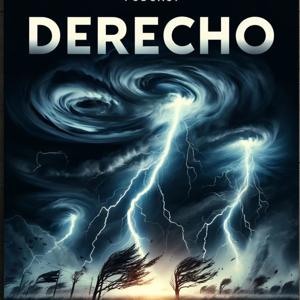
A derecho, a widespread and usually fast-moving windstorm, is becoming an increasingly familiar meteorological term, especially in the Midwest. A recent focus has centered on a potentially significant derecho developing across Iowa, extending into Missouri and Illinois. This type of storm is characterized by a band of rapidly moving showers or thunderstorms that can cover a vast area and is notorious for causing straight-line wind damage extensive enough to rival the destruction of some tornadoes.
In weather terminology, the term "derecho" comes from the Spanish word meaning "straight ahead," aptly describing the storm’s straight-path wind damage, as opposed to the swirling winds of a tornado. These storms are formidable: to qualify as a derecho, the wind damage swath must extend more than 240 miles and include wind gusts of at least 58 miles per hour or greater along most of its length. The Storm Prediction Center only classifies a weather event as a derecho after assessing the storm's impact post-event, verifying whether it meets the necessary criteria.
The meteorological community notes that derechos are becoming more frequent and intense, particularly across Iowa and Illinois. As these areas grapple with the challenges posed by such destructive storms, understanding and predicting derechos is becoming a crucial part of weather forecasting and preparedness initiatives.
Meanwhile, at the opposite end of the spectrum in terms of human necessity, derecho is also seen as a fundamental human right—specifically, the right to food. Organizations like the World Central Kitchen operate under this ethos in regions stricken by disaster, such as Chernihiv Oblast, focusing on rebuilding communities by addressing food insecurity. The universal human right to food encompasses not just the mere availability of food but also access to adequate, nutritious meals necessary for a healthy life. This holistic approach to human rights and disaster recovery highlights the interconnectedness of environmental phenomena and human welfare.
The dual use of the term "derecho" paints a vivid picture of the diverse challenges and commitments facing today's society— from severe weather preparedness to addressing global humanitarian needs. Understanding the implications of derechos in both meteorological and humanistic contexts is essential, as both have profound impacts on the well-being of communities across the globe.
This content was created in partnership and with the help of Artificial Intelligence AI



 View all episodes
