
Sign up to save your podcasts
Or



Learn how the creation of the first advanced practice radiation therapist (APRT) role in the United States established a new model of inpatient care, elevating the radiation therapy skill set and allowing for intervention at key points along the radiation oncology care pathway. Outcomes include improved quality, efficiency, and time and cost savings toward value-based care. Working in tandem with a rotation of radiation oncologists, the APRT aims to save physician time—and reduce physician burnout—by task-shifting and assuming lower-level responsibilities that support the care of resource intensive patient populations.
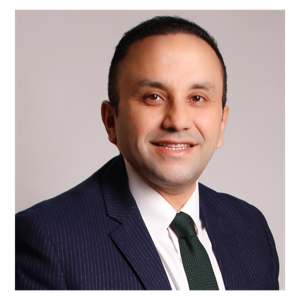
Samantha Skubish, MS, RT(R)(T)
Chief Technical Director, Department of Radiation Oncology
Mount Sinai Health System
"It's exciting to think about the opportunities that an advanced practice level of radiation therapy offers to the profession. It gives us the chance to work at the top of our license and even think and start to look at a scope expansion. For the rest of the care team that means improving quality outcomes, improving patient outcomes, and creating a better model for continuity of care."
This podcast is part of a special series with the 2023 ACCC Innovator Award winners. For a deeper dive into this and other content that will help your team reimagine how care is delivered at your cancer program or practice, register today for the ACCC 40th National Oncology Conference, Oct. 4-6, in Austin Texas.
Resources:
3D Virtual Reality: Changing the Standard of Care for Cancer Patients and Caregivers
Navigating the Unique Financial Challenges of Radiation Oncology
Developing and Implementing a Radiation Oncology App to Improve the Patient Experience
Improving Care of Advanced Cancer Patients with a Dedicated Palliative Radiotherapy Team
A Prospective Peer Review Model for Radiation Therapy
 View all episodes
 By Association of Cancer Care Centers
5
3030 ratings
Learn how the creation of the first advanced practice radiation therapist (APRT) role in the United States established a new model of inpatient care, elevating the radiation therapy skill set and allowing for intervention at key points along the radiation oncology care pathway. Outcomes include improved quality, efficiency, and time and cost savings toward value-based care. Working in tandem with a rotation of radiation oncologists, the APRT aims to save physician time—and reduce physician burnout—by task-shifting and assuming lower-level responsibilities that support the care of resource intensive patient populations.
Samantha Skubish, MS, RT(R)(T)
Chief Technical Director, Department of Radiation Oncology
Mount Sinai Health System
"It's exciting to think about the opportunities that an advanced practice level of radiation therapy offers to the profession. It gives us the chance to work at the top of our license and even think and start to look at a scope expansion. For the rest of the care team that means improving quality outcomes, improving patient outcomes, and creating a better model for continuity of care."
This podcast is part of a special series with the 2023 ACCC Innovator Award winners. For a deeper dive into this and other content that will help your team reimagine how care is delivered at your cancer program or practice, register today for the ACCC 40th National Oncology Conference, Oct. 4-6, in Austin Texas.
Resources:
3D Virtual Reality: Changing the Standard of Care for Cancer Patients and Caregivers
Navigating the Unique Financial Challenges of Radiation Oncology
Developing and Implementing a Radiation Oncology App to Improve the Patient Experience
Improving Care of Advanced Cancer Patients with a Dedicated Palliative Radiotherapy Team
A Prospective Peer Review Model for Radiation Therapy

7 Listeners
1 Listeners