
Sign up to save your podcasts
Or

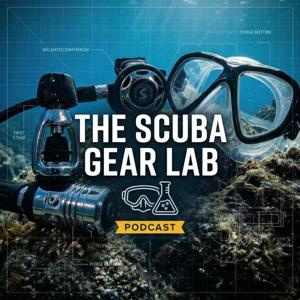

Ever wondered why some scuba regulators fail in cold water while others keep working perfectly? In this episode, Marcus Okafor draws from over 3,000 dives across six continents to break down the real differences between diaphragm and piston regulators. Whether you're a recreational diver choosing your first quality reg or a technical diver planning cold water expeditions, this comparison cuts through marketing claims with actual performance data, maintenance costs, and hard-won field experience.
Show Links
Affiliate Disclosure: As an Amazon Associate I earn from qualifying purchases.
Full article: https://thescubagearlab.com/diaphragm-vs-piston-regulators-performance-data-maintenance-costs-and-depth-testing
Scubapro MK25 EVO First Stage - https://www.amazon.com/s?k=Scubapro%20MK25%20EVO%20First%20Stage&tag=thescubagearlab-20
Apeks XTX200 First Stage - https://www.amazon.com/s?k=Apeks%20XTX200%20First%20Stage&tag=thescubagearlab-20
Atomic Aquatics T3 Titanium Regulator - https://www.amazon.com/s?k=Atomic%20Aquatics%20T3%20Titanium%20Regulator&tag=thescubagearlab-20
Related Articles
Best Dive Regulators: Complete Buyer's Guide with Performance Testing and Expert Recommendations - https://thescubagearlab.com/best-dive-regulators-complete-buyer-s-guide-with-performance-testing-and-expert-recommendations
Best Underwater Scooters: Lab-Tested Performance Analysis - https://thescubagearlab.com/best-underwater-scooters-lab-tested-performance-analysis
DIN vs Yoke Regulators: Pressure Ratings, Safety Differences, and Compatibility Guide - https://thescubagearlab.com/din-vs-yoke-regulators-pressure-ratings-safety-differences-and-compatibility-guide
How to Properly Fit and Adjust Your Scuba BCD for Maximum Comfort - https://thescubagearlab.com/how-to-properly-fit-and-adjust-your-scuba-bcd-for-maximum-comfort
How to Choose a Dive Computer: Selection Guide - https://thescubagearlab.com/how-to-choose-a-dive-computer
 View all episodes
 By The Scuba Gear Lab
Ever wondered why some scuba regulators fail in cold water while others keep working perfectly? In this episode, Marcus Okafor draws from over 3,000 dives across six continents to break down the real differences between diaphragm and piston regulators. Whether you're a recreational diver choosing your first quality reg or a technical diver planning cold water expeditions, this comparison cuts through marketing claims with actual performance data, maintenance costs, and hard-won field experience.
Show Links
Affiliate Disclosure: As an Amazon Associate I earn from qualifying purchases.
Full article: https://thescubagearlab.com/diaphragm-vs-piston-regulators-performance-data-maintenance-costs-and-depth-testing
Scubapro MK25 EVO First Stage - https://www.amazon.com/s?k=Scubapro%20MK25%20EVO%20First%20Stage&tag=thescubagearlab-20
Apeks XTX200 First Stage - https://www.amazon.com/s?k=Apeks%20XTX200%20First%20Stage&tag=thescubagearlab-20
Atomic Aquatics T3 Titanium Regulator - https://www.amazon.com/s?k=Atomic%20Aquatics%20T3%20Titanium%20Regulator&tag=thescubagearlab-20
Related Articles
Best Dive Regulators: Complete Buyer's Guide with Performance Testing and Expert Recommendations - https://thescubagearlab.com/best-dive-regulators-complete-buyer-s-guide-with-performance-testing-and-expert-recommendations
Best Underwater Scooters: Lab-Tested Performance Analysis - https://thescubagearlab.com/best-underwater-scooters-lab-tested-performance-analysis
DIN vs Yoke Regulators: Pressure Ratings, Safety Differences, and Compatibility Guide - https://thescubagearlab.com/din-vs-yoke-regulators-pressure-ratings-safety-differences-and-compatibility-guide
How to Properly Fit and Adjust Your Scuba BCD for Maximum Comfort - https://thescubagearlab.com/how-to-properly-fit-and-adjust-your-scuba-bcd-for-maximum-comfort
How to Choose a Dive Computer: Selection Guide - https://thescubagearlab.com/how-to-choose-a-dive-computer