
Sign up to save your podcasts
Or

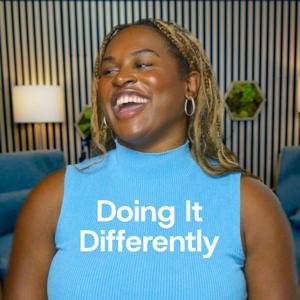


Airic saved £300,000 by the time he was 30. He put away at least half of every pay cheque, lived with his parents until 28, and slept on the same pillow for over 10 years.
Now he's working towards £1.5 million, enough to retire in his 40s, while learning to spend on the things and people that matter.
In this episode:
• Why he decided at 21 that working forever wasn't for him
• The 2 levers: saving 50% and growing his salary to over £100K
• How he travels on a budget using credit card points
• Saying no to nights out without losing friends
• Why he rarely checks his portfolio
• The 4% rule and his £1.5M retirement number
• Breaking his own rules to take his parents on holiday
• The 1 money habit everyone should start
Investments can go down as well as up. This episode isn't financial advice.
Follow Doing It Differently for more stories with a fresh perspective on the choices that shape our lives.
Maddy Alexander-Grout signed up for 6 credit cards at her university freshers' fair. By the time a bailiff turned up at her door, she was £40,000 in debt and had moved cities to avoid it. Years later, after her business collapsed during Covid, she found herself in debt again.
It wasn't until her ADHD diagnosis that it all made sense. Now an ADHD and money specialist and author of Mad About Money, Maddy shares how she cleared her debt and learned to spend consciously.
💷 Money
- Signing up for 6 credit cards at freshers' and spiralling to £40,000 of debt
- Being told it would take 60 years to pay off, and clearing it in under 5
- How she made paying off debt into a game that worked for her brain
- Losing a business in the pandemic and ending up in debt a second time
- The 3 questions she now asks before buying anything
🧠 ADHD and wellbeing
- Why impulse spending is a dopamine hit, and the link between ADHD and addiction
- How a diagnosis became "a reason, not an excuse"
- Why people with ADHD can be more vulnerable to scams
🔁 Starting again
- The house fire that showed her what really mattered
- Teaching her children about money from a young age
- What "doing it differently" means: living by your values
If debt is getting on top of you, StepChange and MoneyHelper offer free, confidential advice.
Subscribe for more episodes of Doing It Differently, also available on all podcast platforms.
Professor Andrew Sharman has been terrified of water since childhood, yet he dives with great white sharks several times a year. After nearly 30 years helping organisations in around 130 countries keep people safe, he also thinks most companies have safety backwards.
Andrew shares how he faces fear before every dive, why "safety first" rarely survives a deadline, and how zero accident targets can push problems out of sight. He explains what the Deepwater Horizon disaster reveals about perfect safety records, why employees stay silent about danger, and the questions leaders should ask instead.
He also opens up about the 206 workplace deaths he's supported organisations through, stepping in to help a stranger at a bus stop, and how becoming a dad changed the risks he takes.
What happens to your money, your mental health and your future when you're hiding something you can't control? And how do you rebuild once it's gone?
Nick Conn joined the police at 18 while privately struggling with addiction. It cost him his career, his savings and his home. More than 18 years into recovery, he now runs one of the UK's largest addiction advisory services.
Nick talks about how debt quietly spirals, why handing money to someone who's struggling can make things worse, and the daily gratitude habit that changed his outlook. He also covers the link between ADHD and addiction, why "secrets keep you sick", and practical advice for anyone worried about a partner, child or friend.
Content warning: this episode includes discussion of addiction, suicide and self-harm. If you're struggling, call Samaritans free, any time, on 116 123. For drug advice, call FRANK on 0300 123 6600.
Dr Ateh Jewel spent decades building a career in beauty while being told to her face that her Black body was neither “luxurious” nor “aspirational.”
She joins Nasya Munga to discuss childhood insecurity, working four jobs at university, motherhood, 18-hour working days and the extraordinary contradiction of preparing to appear on This Morning while wondering whether she would need Universal Credit.
Ateh also opens up about the health crisis that forced her to confront how she was living, ending a 26-year relationship four days before launching her brand in Harrods, and why that launch felt like the biggest “F you” she could imagine.
A conversation about beauty, money, power, and redefining success when the life you have built is no longer working.
From the publisher's feed