The Department of Justice's antitrust case against Apple has hit a significant snag this week, with federal prosecutors directly challenging the tech giant's latest courtroom maneuver in what's becoming an increasingly contentious legal battle over smartphone monopoly practices.
On April twentieth, the DOJ filed a sharp response criticizing Apple's request to obtain internal documents from Samsung Electronics in South Korea. The core complaint is straightforward: Apple waited far too long to make the request. Nine months into the discovery phase, Apple finally decided to pursue Samsung documents through the Hague Convention, a formal international legal process for obtaining foreign evidence. The DOJ argues this timing is inexcusable, particularly since Apple had known all along that Samsung would be central to the case and that the South Korean parent company likely held relevant materials[1][4].
What makes this timing issue especially damaging for Apple is the discovery deadline. The court has already extended the fact discovery period until January twenty-ninth, twenty twenty-seven, and the DOJ is making clear that Apple should not use the slow international process as an excuse for further delays. In its filing, the DOJ stated bluntly that if the court does grant Apple's request, Apple should bear the risk that some or all of the evidence it seeks from South Korea may not arrive in time[1][3][4].
The DOJ's position is notably measured in one respect. The agency is taking no formal stance on whether the court should actually issue the Letter of Request that would trigger the Hague Convention process. Instead, the DOJ is focusing its fire entirely on preventing this request from becoming a tool for delaying the trial[1][4].
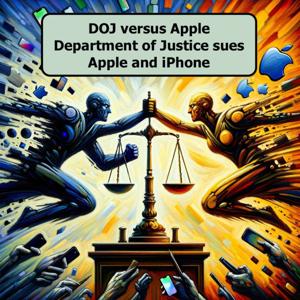
Apple's original lawsuit was filed in May twenty twenty-four by the Department of Justice, alleging that Apple illegally maintains a monopoly over smartphones by imposing contractual restrictions on developers and withholding critical access points. The government contends that Apple undermines apps and services that would make users less reliant on the iPhone and that the company uses its monopoly power to extract more money from consumers and developers[3].
The broader context matters here. This case comes as the federal government is intensifying antitrust scrutiny across the tech industry. Just this week, the Live Nation and Ticketmaster monopoly case concluded with a jury verdict finding the concert company guilty of monopolistic practices, though that case took a dramatic turn when the federal government initially settled before state attorneys general continued the fight[2].
For Apple, the stakes are substantial. A loss could result in forced company breakup, though that remedy would come in a separate trial phase. The company is clearly fighting hard for every advantage in discovery, but the DOJ's aggressive pushback suggests the government is not interested in allowing procedural tactics to extend what is alre
This content was created in partnership and with the help of Artificial Intelligence AI.



 View all episodes
