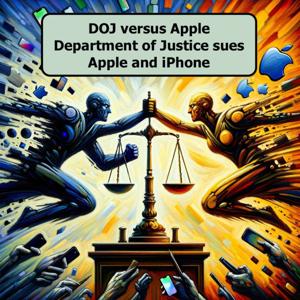
In the ongoing antitrust lawsuit against Apple, the Department of Justice (DOJ) continues to press its case with several recent developments.
As of the latest updates, the lawsuit, filed on March 21, 2024, by the DOJ and initially joined by 16 state and district attorneys general, has seen additional states come on board. On June 11, 2024, the attorneys general of Indiana, Massachusetts, Nevada, and Washington joined the civil antitrust lawsuit, bringing the total number of participating states to twenty[2][5].
The DOJ alleges that Apple has violated federal antitrust law by maintaining a monopoly in the smartphone market through various restrictive practices. Key areas of contention include Apple's handling of "super" apps, messaging apps like iMessage with its distinctive "green bubbles," cloud streaming apps, digital wallets, and the integration of Apple Watches with non-Apple devices[3].
Recently, there has been no major breakthrough or ruling in the case. Apple filed a motion to dismiss the case on August 1, 2024, which is still pending. The case is currently overseen by Judge Julien Neals after Judge Michael E. Farbiarz recused himself on April 10, 2024[3].
Attorney General Merrick Garland has been at the forefront of the DOJ's efforts, emphasizing the need to protect competition and innovation in the technology sector. Assistant Attorney General Jonathan Kanter has also been instrumental, drawing parallels between this case and the historic *United States v. Microsoft Corp.* case, which he believes paved the way for Apple's current market position[3].
Apple has vehemently defended its practices, arguing that the lawsuit threatens the principles that make its products unique and could set a dangerous precedent for government intervention in technology design. The company has stated it will vigorously defend against the lawsuit[5].
The outcome of this case is highly anticipated and could have significant ramifications for the tech industry. If the DOJ succeeds, it could lead to greater competition and innovation in the smartphone market. Conversely, if Apple prevails, it may reinforce the company's current market strategies and potentially influence other tech giants' approaches to competition.
As the case progresses, industry observers are closely watching for any decisions or rulings that could shape the future of smartphone technology and antitrust regulations.
This content was created in partnership and with the help of Artificial Intelligence AI
This episode includes AI-generated content.



 View all episodes
