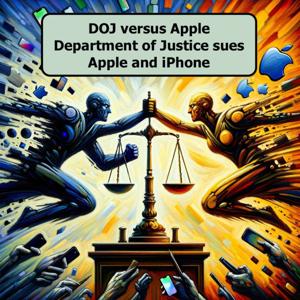
The United States Department of Justice recently rebuked Apple in a sharp court filing over the company's delayed request for evidence from Samsung in their ongoing antitrust lawsuit. Filed this past week as part of the case accusing Apple of stifling smartphone competition since 2024, the filing highlights Apple's attempt to obtain documents from Samsung Electronics in Korea via the Hague Evidence Convention after failing to get them domestically.
The Department of Justice pointed out that Apple's move came too late, likely missing the nine-month discovery deadline ending November fourteenth, 2025. In a five-page submission that some observers called sassy, the government used its resources to warn the court of the risks, essentially telling Apple it acted too little too late. No key Department of Justice figures like lead prosecutors were named in the latest update, but the case proceeds under a tight schedule set by District Judge Julien Xavier Neals in New Jersey, with expert reports due through mid-2026 and trial eyed for late 2027 or 2028.
Apple scored no major wins here, facing this setback alongside a prior denial of its motion to dismiss on standing grounds back in June 2025. The company had argued in a May twenty-first, 2024 motion that changes to comply with Europe's Digital Markets Act made the Department of Justice's injunctive relief claims moot, but the government countered that those tweaks only apply in Europe, not the United States, and Apple complied under protest. The court has yet to rule on that specific point.
On Apple's side, no top executives like Chief Executive Tim Cook have surfaced in these fresh developments, though the firm fights on multiple fronts. Separately, Apple urged India's Delhi High Court on April twenty-fourth to halt a final antitrust hearing set for May twenty-first by the Competition Commission of India, claiming the regulator overreached by demanding financial data that could lead to a thirty-eight billion dollar penalty tied to App Store practices.
Prediction markets give about a thirty percent chance courts will deem Apple a monopoly before 2030 in this case, factoring in Third Circuit precedents favoring aftermarket claims. If the Department of Justice prevails, it could force Apple to open its ecosystem, easing developer access and super apps while curbing practices like blocking cloud streaming or message interoperability. That might spur innovation and lower prices for consumers, but critics worry it hands rivals like Samsung an edge. Apple insists its model drives quality without mispricing. Broader ripples could reshape tech antitrust, especially if political shifts like a new administration alter enforcement. For now, discovery marches on, with Apple scrambling to catch up.
Some great Deals https://amzn.to/49SJ3Qs
For more check out http://www.quietplease.ai
This content was created in partnership and with the help of Artificial Intelligence AI.



 View all episodes
