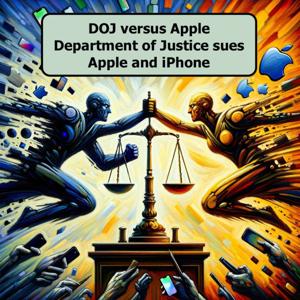
The United States Department of Justice's antitrust lawsuit against Apple, accusing the company of illegally monopolizing the smartphone market through restrictive app store rules and other practices, cleared a key procedural hurdle this week but shows no major courtroom wins or losses in the past few days. On March twenty-third, two thousand twenty-six, a federal judge denied Apple's motion to dismiss the case, allowing it to advance alongside a similar suit from multiple states, as noted in recent antitrust division recaps. This keeps the pressure on Apple after the case survived an earlier dismissal bid back in June two thousand twenty-five.
No fresh filings or hearings popped up from March twentieth through March twenty-fifth, two thousand twenty-six, based on the latest court summaries and news wires. DOJ Antitrust Division leaders, including acting head who oversaw last year's push on big tech cases like Google and Visa, have stayed quiet on Apple specifics this week, focusing instead on broader enforcement speeches about protecting innovation without antitrust overreach. On the Apple side, chief executive Tim Cook has not commented publicly in days, though the company continues appealing separate patent setbacks, like the Federal Circuit's March nineteenth affirmation of an import ban on certain Apple Watch models for infringing Masimo's blood oxygen tech patents.
Neither side notched big victories recently; the DOJ's win was procedural, blocking Apple's bid to kill the suit early, while Apple avoided any new sanctions. Losses are minimal so far, with the patent ruling against Apple Watches unrelated to the DOJ monopoly claims. Legal watchers project a long road ahead, potentially to trial in late two thousand twenty-seven, given the case's parallels to the Google remedies fight that forced data sharing.
If the DOJ prevails, it could force Apple to loosen grip on its app ecosystem, opening doors for rival payments and stores, which might shake up developers and cut billions in commissions. Industry ramifications include freer competition in mobile services, but Apple argues it would hurt privacy and security. Broader impacts? A win for enforcers could signal tougher scrutiny on tech giants, echoing Visa and Live Nation probes, while a loss might embolden platform defenses across Silicon Valley. Folks next door are watching close, as this could mean cheaper apps or pricier phones down the line.
Some great Deals https://amzn.to/49SJ3Qs
For more check out http://www.quietplease.ai
This content was created in partnership and with the help of Artificial Intelligence AI.



 View all episodes
