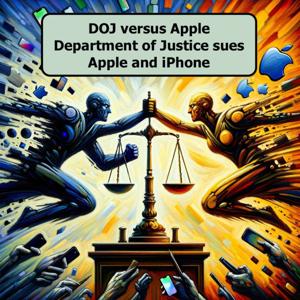
The Department of Justice's antitrust lawsuit against Apple, filed on March 21, 2024, continues to evolve with recent developments.
### Additional States Join the Lawsuit
As of June 11, 2024, four more states—Indiana, Massachusetts, Nevada, and Washington—have joined the civil antitrust lawsuit, bringing the total number of states involved to twenty. This expansion underscores the widespread concern among state and federal authorities about Apple's practices in the smartphone market[2].
### Key Allegations
The lawsuit alleges that Apple has engaged in monopolistic behavior by limiting access to apps and forcing consumers to use Apple-exclusive services, some of which are fee-based. This creates significant barriers for consumers who wish to switch from iPhones to Android-based phones and services. Developers also face challenges, including additional costs and stringent rules to list their apps on Apple’s App Store[3].
### Consumer Impact
The lawsuit highlights that Apple's practices create psychological, technical, and financial barriers that essentially trap consumers in the iOS environment. Consumers are forced to use Apple-exclusive apps and services, which can be costly and make it difficult for them to leave the Apple ecosystem due to their histories, libraries, and storage commitments[3].
### Recent Updates and Remarks
There have been no major wins or losses reported in the past few days, as the case is still in its early stages. However, the Department of Justice's ongoing commitment to antitrust enforcement is evident from recent remarks by key officials. For instance, Deputy Attorney General Todd Blanche has emphasized the department's efforts to protect consumers from the monopolistic practices of big tech companies[4].
### Industry Ramifications
The outcome of this case could have significant ramifications for the tech industry. If the DOJ is successful, it could prevent Apple from continuing certain practices that, while popular with consumers, are seen as exclusionary. This could lead to greater competition in the smartphone market and more options for consumers. However, critics argue that such a ruling could also prevent Apple from offering the integrated services and unique products that consumers currently enjoy[5].
### Broader Impact
The broader impact of this case extends beyond Apple, as it reflects a shift in U.S. antitrust policy towards more aggressive enforcement against tech companies. This trend is part of a larger debate about balancing consumer protection with innovation and competition in the tech sector. The Computer & Communications Industry Association has expressed concerns that targeting design choices beloved by consumers could stifle innovation rather than promote it[5].
As the case progresses, it will be important to watch for further developments and how they shape the future of the smartphone market and antitrust enforcement.
This content was created in partnership and with the help of Artificial Intelligence AI
This episode includes AI-generated content.



 View all episodes
