
Sign up to save your podcasts
Or

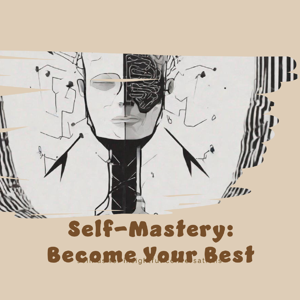

This episode teaches how to handle strong emotions — anger, fear, sadness, frustration — with emotional intelligence rather than being overwhelmed by them. Drawing from leading research, it emphasizes that emotions are not problems to eliminate but information to understand.
Key insights include:
Dr. Susan David (Harvard) explains that emotions are data, not commands — acknowledging them leads to resilience and well-being.
Neuroscientist Dr. Joseph LeDoux describes the amygdala hijack, where emotional reactions override logical thinking. Understanding this brain process helps us take back control.
Suppressing emotions backfires. Research from the University of Texas shows suppression increases stress and emotional intensity.
UCLA studies on affect labeling demonstrate that naming emotions calms the brain and reduces reactivity.
Listeners learn practical skills to regulate emotions:
Notice and name the emotion
Use slow breathing to calm the nervous system (Frontiers in Psychology)
Pause before reacting
Identify the message behind the emotion
Practice self-compassion (Dr. Kristin Neff)
Choose thoughtful responses instead of impulsive actions
The episode explains that emotional regulation builds inner strength, improves decision-making, enhances mental health, and strengthens relationships. Repeated practice rewires the brain through neuroplasticity, making emotional control easier over time.
The core message: difficult emotions are unavoidable, but they don’t need to control us. With awareness and skill, we can transform emotional storms into opportunities for clarity, growth, and self-mastery.
 View all episodes
 By zaporamaks
This episode teaches how to handle strong emotions — anger, fear, sadness, frustration — with emotional intelligence rather than being overwhelmed by them. Drawing from leading research, it emphasizes that emotions are not problems to eliminate but information to understand.
Key insights include:
Dr. Susan David (Harvard) explains that emotions are data, not commands — acknowledging them leads to resilience and well-being.
Neuroscientist Dr. Joseph LeDoux describes the amygdala hijack, where emotional reactions override logical thinking. Understanding this brain process helps us take back control.
Suppressing emotions backfires. Research from the University of Texas shows suppression increases stress and emotional intensity.
UCLA studies on affect labeling demonstrate that naming emotions calms the brain and reduces reactivity.
Listeners learn practical skills to regulate emotions:
Notice and name the emotion
Use slow breathing to calm the nervous system (Frontiers in Psychology)
Pause before reacting
Identify the message behind the emotion
Practice self-compassion (Dr. Kristin Neff)
Choose thoughtful responses instead of impulsive actions
The episode explains that emotional regulation builds inner strength, improves decision-making, enhances mental health, and strengthens relationships. Repeated practice rewires the brain through neuroplasticity, making emotional control easier over time.
The core message: difficult emotions are unavoidable, but they don’t need to control us. With awareness and skill, we can transform emotional storms into opportunities for clarity, growth, and self-mastery.