
Sign up to save your podcasts
Or


A tooth extraction can feel like the finish line: the pain stops, you get back to your schedule, and you don’t want to think about it again. But what we see clinically is the opposite. When one tooth goes missing, the mouth adapts, and those adaptations can quietly reshape your bite, your jaw comfort, and even your future treatment options. We call it the domino effect, and it’s one of the most misunderstood parts of oral health.
We walk through a case study of a busy patient who ignores intermittent pain, ends up needing an emergency removal, and then unknowingly starts a chain reaction. We unpack what’s happening “under the hood” after tooth loss: jawbone resorption (bone loss), the way neighboring teeth drift and tip into the space, and why angled forces can lead to cracks, gum recession, food trapping, and more dental problems. We also talk about why chewing on one side can create muscle imbalance and contribute to TMJ symptoms like clenching, grinding, headaches, and jaw tension.
Then we get practical. We share what to watch for, why socket preservation and a tooth replacement plan matter, and how options like dental implants fit into protecting long-term bite alignment and quality of life. If you’re missing a tooth or you’ve been putting off a fix, this conversation is built to help you ask better questions at your next dental visit. Subscribe, leave a review, share this with a friend, and drop a comment with the dental question you want us to tackle next.
 View all episodes
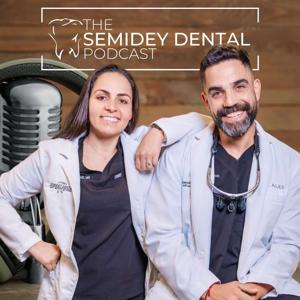
 By Dr. Alex Semidey
A tooth extraction can feel like the finish line: the pain stops, you get back to your schedule, and you don’t want to think about it again. But what we see clinically is the opposite. When one tooth goes missing, the mouth adapts, and those adaptations can quietly reshape your bite, your jaw comfort, and even your future treatment options. We call it the domino effect, and it’s one of the most misunderstood parts of oral health.
We walk through a case study of a busy patient who ignores intermittent pain, ends up needing an emergency removal, and then unknowingly starts a chain reaction. We unpack what’s happening “under the hood” after tooth loss: jawbone resorption (bone loss), the way neighboring teeth drift and tip into the space, and why angled forces can lead to cracks, gum recession, food trapping, and more dental problems. We also talk about why chewing on one side can create muscle imbalance and contribute to TMJ symptoms like clenching, grinding, headaches, and jaw tension.
Then we get practical. We share what to watch for, why socket preservation and a tooth replacement plan matter, and how options like dental implants fit into protecting long-term bite alignment and quality of life. If you’re missing a tooth or you’ve been putting off a fix, this conversation is built to help you ask better questions at your next dental visit. Subscribe, leave a review, share this with a friend, and drop a comment with the dental question you want us to tackle next.